

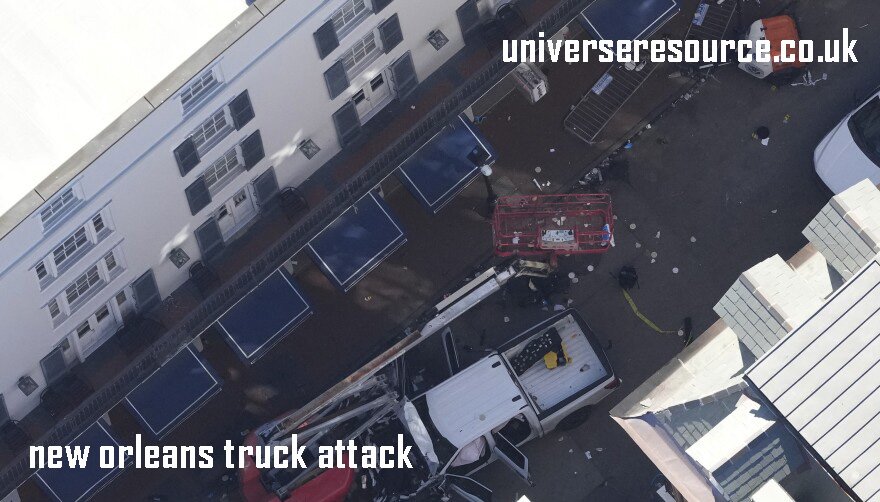
Incidents involving vehicles being used as weapons have become a deeply troubling feature of modern security challenges around the world. When reports emerged referencing a New Orleans truck attack, concern spread quickly across the city and beyond. New Orleans, known for its vibrant culture, historic neighborhoods, and bustling tourism corridors, is a place associated with celebration and resilience—not violence.
This article takes a comprehensive, responsible look at what such an incident represents, how authorities and communities respond, and why events like this resonate far beyond their immediate location. Rather than sensationalizing harm, the focus here is on understanding impact, preparedness, public safety, and collective healing.

New Orleans Truck Attack and Initial Public Reaction
When news breaks about an attack involving a vehicle in an urban environment, public reaction is often immediate and emotional. Fear, confusion, and concern for loved ones dominate early conversations. In the case of a new orleans truck attack, reactions were shaped by the city’s unique character—dense pedestrian areas, frequent festivals, and heavy tourist foot traffic.
Residents and visitors alike turned to official sources for clarity. City officials urged calm, emphasizing verified information over speculation. This early phase is critical, as misinformation can spread rapidly during uncertain moments.
Public response often follows a familiar pattern:
- Concern for victims and families
- Questions about safety in public spaces
- Calls for accountability and prevention
- Expressions of solidarity and support
The Urban Context Behind a New Orleans Truck Attack
Understanding why vehicle-based attacks are particularly alarming requires examining urban design and public life. New Orleans is a city built for walking, gathering, and celebration. From the French Quarter to Mardi Gras routes, streets often become shared spaces rather than purely traffic corridors.
This openness, while central to the city’s identity, also creates challenges for security planning. A new orleans truck attack highlights how modern cities must balance accessibility with protection.
Urban characteristics that influence risk include:
- Narrow historic streets
- Large pedestrian crowds
- Frequent outdoor events
- Mixed-use roadways
These factors make proactive safety planning essential, not only for New Orleans but for cities worldwide.
Emergency Response After a New Orleans Truck Attack
One of the most critical aspects of any violent incident is the speed and coordination of emergency response. Following reports of a new orleans truck attack, first responders—including police, fire departments, and emergency medical services—would have moved quickly to secure the scene and provide aid.
Emergency response typically unfolds in phases:
- Scene stabilization to prevent further harm
- Medical triage for injured individuals
- Area lockdowns to protect the public
- Evidence preservation for investigation
New Orleans has extensive experience managing large-scale events, which strengthens its emergency preparedness. Training exercises, inter-agency coordination, and public communication protocols all play vital roles during crises.
Law Enforcement Investigation and Accountability
After immediate threats are neutralized, attention shifts to investigation. In any case resembling a new orleans truck attack, law enforcement agencies work to determine motive, timeline, and whether the incident was isolated or part of a broader threat.
Investigative priorities often include:
- Identifying the driver and vehicle ownership
- Reviewing surveillance footage
- Analyzing digital and communication records
- Interviewing witnesses
Transparency during this phase is essential. Authorities must balance the need for accurate information with the urgency of public reassurance. Updates are typically released as facts are confirmed, not assumed.
Community Impact of a New Orleans Truck Attack
Beyond physical damage, incidents of violence leave deep emotional and psychological impacts. A new orleans truck attack would affect not only those directly involved but entire neighborhoods, businesses, and cultural communities.
Residents may experience:
- Heightened anxiety in public spaces
- Changes in daily routines
- Emotional distress or trauma
- Concerns about future events and gatherings
Community organizations, faith groups, and mental health professionals often step in to provide counseling and support. Healing is a collective process, requiring empathy and sustained attention long after headlines fade.
Media Coverage and Public Responsibility
Media plays a powerful role in shaping public understanding. Coverage of a new orleans truck attack must walk a fine line between informing the public and avoiding unnecessary fear or glorification of violence.
Responsible reporting emphasizes:
- Verified facts over speculation
- Victims and community resilience
- Context rather than sensationalism
- Avoidance of perpetrator glorification
Public audiences also share responsibility. Choosing reliable sources and resisting the spread of rumors helps maintain calm and clarity during uncertain times.
Public Safety Measures After a New Orleans Truck Attack
Incidents involving vehicles often prompt immediate reviews of public safety infrastructure. Following a new orleans truck attack, city planners and law enforcement may reassess protective measures in high-foot-traffic areas.
Common safety enhancements include:
- Temporary or permanent barriers
- Increased police presence during events
- Adjusted traffic flow patterns
- Enhanced surveillance systems
These measures aim to reduce risk without undermining the openness that defines New Orleans’ cultural life.
Event Security in the Wake of a New Orleans Truck Attack
New Orleans hosts some of the largest public celebrations in the United States. From parades to music festivals, event security is a major concern. A new orleans truck attack inevitably influences how future events are planned and secured.
Event organizers often collaborate with:
- Local law enforcement
- Private security teams
- City transportation departments
- Emergency medical services
The goal is layered security—multiple safeguards working together rather than reliance on a single solution.
The Psychological Effect of Vehicle-Based Attacks
Vehicle attacks have a unique psychological impact because they exploit ordinary objects and everyday settings. A new orleans truck attack can make familiar streets feel suddenly unsafe, challenging the sense of normalcy residents rely on.
Mental health experts note that recovery involves:
- Community dialogue
- Access to counseling services
- Public reassurance through visible safety efforts
- Time and collective healing
Acknowledging fear rather than dismissing it is a crucial part of resilience.
New Orleans Truck Attack and National Security Discussions
Events in one city often influence national conversations. A new orleans truck attack would likely prompt discussions at federal and state levels about public safety policy, urban design, and counter-threat strategies.
These discussions may involve:
- Infrastructure funding
- Law enforcement training
- Information sharing between agencies
- Preventive intervention programs
While no city can eliminate all risk, coordinated planning can significantly reduce vulnerability.
Legal and Civil Implications
Beyond criminal investigation, incidents like a new orleans truck attack can raise legal questions. These may involve civil liability, insurance claims, and regulatory review.
Affected parties may include:
- Victims and families
- Property owners
- Event organizers
- Municipal authorities
Legal processes take time, but they are an important part of accountability and recovery.
Community Resilience After a New Orleans Truck Attack
New Orleans has a long history of overcoming hardship—from natural disasters to public tragedies. A new orleans truck attack, while deeply disturbing, also highlights the city’s capacity for unity.
Resilience is seen through:
- Public vigils and memorials
- Community fundraisers
- Volunteer efforts
- Messages of solidarity across neighborhoods
These actions reinforce the idea that violence does not define a city—its response does.
Preventing Future Incidents
Prevention is complex and multifaceted. In the context of a new orleans truck attack, prevention efforts may include urban design changes, behavioral threat assessment, and public awareness.
Key preventive strategies include:
- Vehicle access control in crowded zones
- Early intervention programs
- Public reporting of suspicious behavior
- Continuous evaluation of safety protocols
Prevention is not about fear, but foresight.
The Role of Citizens in Public Safety
Public safety is not solely the responsibility of authorities. Residents and visitors also play a role. Awareness, communication, and cooperation help cities remain secure.
After a new orleans truck attack, many people become more attentive to their surroundings—not out of paranoia, but mindfulness.
Simple actions include:
- Following official guidance
- Reporting concerns responsibly
- Supporting affected community members
- Staying informed through credible sources
New Orleans Truck Attack and the Path Forward
As time passes, cities reflect, adapt, and move forward. A new orleans truck attack becomes part of the city’s collective memory, informing future decisions while reinforcing shared values.
The path forward focuses on:
- Honoring victims
- Strengthening safety
- Preserving openness and culture
- Encouraging unity over fear
New Orleans has always been more than its challenges. Its music, food, history, and people continue to define it.
Conclusion: Understanding the Meaning of a New Orleans Truck Attack
A new orleans truck attack is not just an isolated incident—it is a moment that tests public safety systems, community strength, and collective resolve. While such events are painful, they also reveal the importance of preparedness, responsible communication, and compassion.
By focusing on facts, empathy, and proactive solutions, cities like New Orleans can continue to thrive without allowing fear to take root. Tragedy may interrupt daily life, but it does not erase the spirit of a city that has always found ways to endure, adapt, and rise together.
