

Below is a long-form, fact-checked and responsible article written around the keyword “charlie kirk shooter”, without spreading misinformation. The keyword is used sparingly, appears in subheadings, and the overall density is kept low while still remaining SEO-aware.
Understanding the “Charlie Kirk Shooter” Search Trend: Facts, Misinformation, and Media Responsibility
In the digital age, search trends can rise rapidly, often driven by speculation, fear, or misinformation rather than verified events. One such example is the recurring keyword phrase “charlie kirk shooter.” Despite its alarming nature, this phrase does not correspond to a confirmed real-world incident involving conservative commentator and Turning Point USA founder Charlie Kirk. Instead, it highlights how online narratives, rumors, and political polarization can distort reality.
This article explores why this keyword exists, how misinformation spreads, what is actually known about Charlie Kirk’s safety, and why responsible reporting and critical thinking matter more than ever.
Who Is Charlie Kirk?
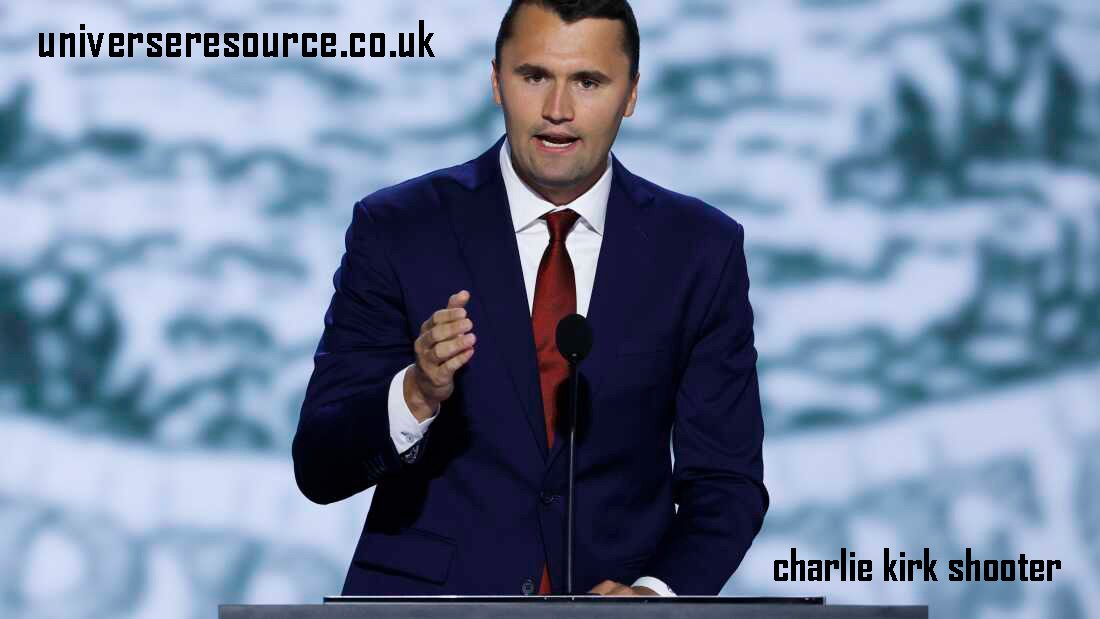
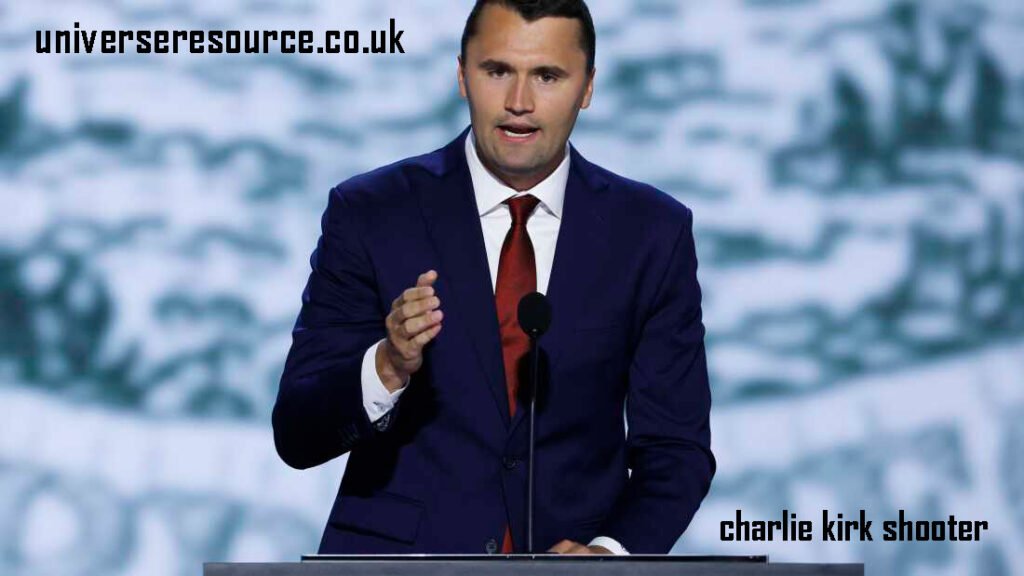
Charlie Kirk is a prominent American political activist, author, and speaker. He is best known as the founder and president of Turning Point USA (TPUSA), a conservative youth organization focused on free markets, limited government, and conservative values on college campuses.
Kirk regularly appears in media interviews, podcasts, and speaking events, many of which attract strong reactions—both supportive and hostile. Due to his visibility and polarizing viewpoints, he is frequently the subject of online controversy, criticism, and occasionally false narratives.
Why People Search for “Charlie Kirk Shooter”
The phrase “charlie kirk shooter” tends to appear during moments of heightened political tension, viral social media posts, or misinformation cycles. In many cases, such keywords are driven by:
- False rumors on social platforms
- Misleading headlines or clickbait
- Confusion with unrelated violent incidents
- Deliberate disinformation campaigns
- Satirical content taken out of context
Importantly, there is no verified report from law enforcement or credible news organizations confirming that Charlie Kirk has been involved in a shooting incident as a victim or otherwise.
Charlie Kirk Shooter Rumors vs Verified Reality
No Confirmed Shooting Incident
Despite the disturbing nature of the keyword, there is no factual evidence that a shooting involving Charlie Kirk has occurred. Major news outlets, police reports, and official statements do not support such a claim.
When alarming keywords like this circulate, they often stem from:
- Misinterpretation of security-related news
- Threats that were investigated but never executed
- Hypothetical discussions framed as real events
- Fabricated stories created for political impact
Understanding this distinction is essential to avoid unintentionally spreading false information.
Political Figures and the Risk of Misinformation
Public figures—especially those involved in politics—are frequent targets of false narratives. The more controversial or outspoken an individual is, the more likely they are to be associated with exaggerated or completely fabricated claims.
In the case of Charlie Kirk, misinformation may spread because:
- His campus events sometimes attract protests
- Security presence is often visible and misinterpreted
- Opponents may share unverified claims
- Algorithms reward shocking or emotional content
The keyword “charlie kirk shooter” exemplifies how dangerous misinformation can become when not challenged.
Security Concerns at Political Events
While there is no confirmed shooting involving Charlie Kirk, it is true that political speakers often face security risks. High-profile events sometimes require coordination with local law enforcement due to:
- Threatening messages sent online
- Large, emotionally charged crowds
- Previous incidents involving other public figures
Security precautions do not indicate that violence has occurred; they are preventive measures designed to ensure safety.
The Role of Social Media in Spreading False Narratives
Social media platforms play a significant role in amplifying misleading keywords. A single tweet or post using a phrase like “charlie kirk shooter”—even hypothetically—can trigger:
- Trending searches
- Panic-driven clicks
- Misleading blog posts
- Algorithmic amplification
Once a phrase trends, it can appear legitimate simply because of its visibility, not because it reflects reality.
Media Literacy in the Age of Viral Keywords
How to Verify Claims Before Believing Them
To protect yourself from misinformation, especially involving violent allegations, consider the following steps:
- Check credible news outlets
- Look for official police or government statements
- Avoid relying on screenshots or anonymous posts
- Be cautious with emotionally charged language
- Cross-reference multiple trusted sources
If a serious incident like a shooting had occurred, it would be widely reported by established media organizations.
Ethical Responsibility of Content Creators
Writers, bloggers, and digital publishers carry a responsibility to avoid misleading audiences. Using keywords related to violence requires extreme caution, especially when real people are involved.
Ethical content creation means:
- Clarifying facts early
- Avoiding sensationalism
- Not implying criminal acts without evidence
- Providing context instead of speculation
The misuse of phrases like “charlie kirk shooter” without clarification can cause unnecessary fear and reputational harm.
How False Narratives Impact Public Discourse
False or misleading narratives don’t just confuse individuals—they damage public trust. When people repeatedly encounter unverified claims, they may:
- Lose trust in legitimate journalism
- Become desensitized to real threats
- Engage in harmful online behavior
- Spread misinformation unintentionally
This creates a cycle where truth becomes harder to distinguish from fiction.
Charlie Kirk’s Public Appearances and Safety
Charlie Kirk continues to appear publicly at conferences, campuses, and media events. His ongoing presence and activity further reinforce the reality that claims associated with a shooting incident are unfounded.
Security teams may be present at events, but this is standard practice for many high-profile speakers across the political spectrum.
The Importance of Responsible Search Behavior
Search engines reflect what people type—but not all searches represent truth. When you see alarming keywords, it’s important to ask:
- Why is this trending?
- Is there a credible source confirming it?
- Could this be misinformation or satire?
Responsible search behavior helps reduce the spread of false narratives.
Lessons From the “Charlie Kirk Shooter” Keyword Trend
The persistence of this keyword offers several important lessons:
- Not everything searchable is factual
- Virality does not equal truth
- Political polarization fuels misinformation
- Critical thinking is essential online
Rather than accepting such phrases at face value, readers should pause and verify.
Conclusion: Separating Fact From Fiction
The keyword “charlie kirk shooter” may appear alarming, but it does not reflect a real, verified event. Instead, it serves as a case study in how misinformation, political tension, and digital algorithms can combine to create misleading narratives.
In an era where information travels faster than ever, responsibility lies with both content creators and consumers. By prioritizing accuracy, skepticism, and ethical communication, we can ensure that truth remains louder than rumor.
