


Running a pool involves more than just keeping the water clear. There is the pump, the heater if you have one, the cleaning equipment, and the chemicals. Each part adds to the monthly utility bill, and for many homeowners, the total comes as a surprise.
This article breaks down where the costs come from, which ones are within your control, and how small adjustments can add up over the course of a season.
Where the Money Goes
Pool operating costs fall into a few main categories. Understanding each one helps you decide where changes make the most sense for your situation.
The Pump Is Usually the Biggest Factor
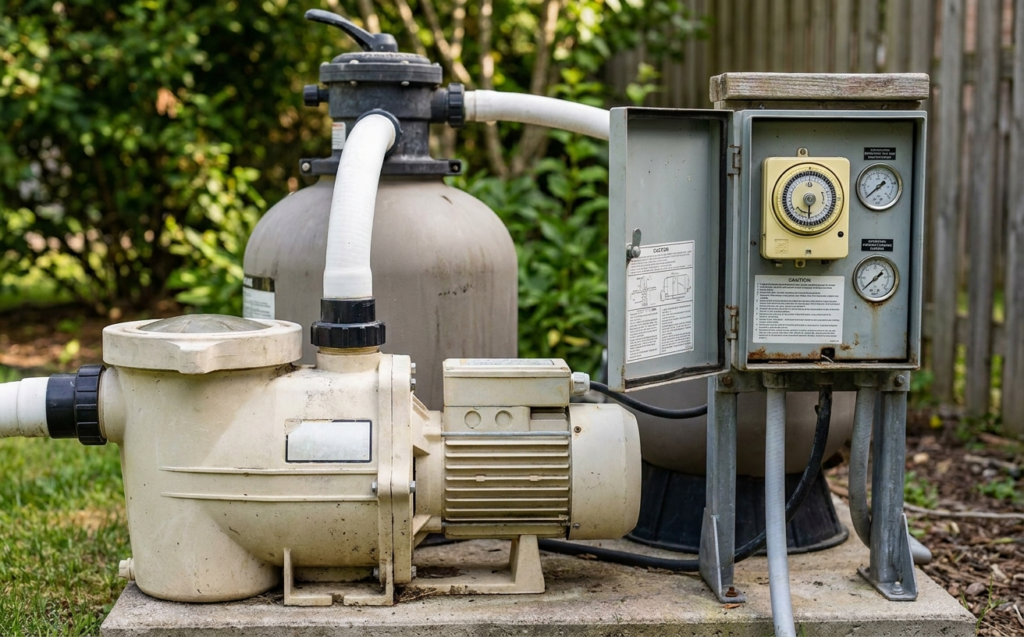
The circulation pump is the single largest energy consumer in most pools. A typical single-speed pump running 8 to 12 hours a day can add 30 to 60 dollars to the monthly electricity bill, depending on local rates and pump size.
Variable-speed pumps use less energy at lower speeds and can cut this cost by roughly half. Many older pools still use single-speed pumps, but the savings from upgrading often pay for the new pump within a couple of seasons.
Heating Adds a Separate Layer
If you heat your pool, the heater can double or triple the monthly energy cost during cooler months. Gas heaters are fast but expensive to run. Heat pumps are slower and more efficient but still add noticeable cost. Solar heating has the lowest operating cost but depends on weather and available roof space.
For pools that are not used year-round, reducing or turning off the heater when the pool is not in use is a straightforward way to save.
Cleaning and Chemical Costs Are Smaller but Add Up
Automatic cleaning equipment, salt chlorine generators, and UV or ozone systems all consume some power, though much less than the main pump. Chemical costs vary by location and water quality but typically run between 20 and 40 dollars per month during the swimming season.
Where You Can Make the Biggest Difference
Not all cost-saving measures require buying new equipment. Several simple adjustments can reduce energy use without changing how the pool operates day to day.
Reduce Pump Runtime When Possible
Running the pump for the full recommended time is important for circulation and filtration. But many pools can run fewer hours during cooler months or when the pool is not in heavy use.
A general guideline is to run the pump for about one hour per 10 degrees of water temperature. In summer, that might be 8 to 10 hours. In spring and fall, 6 to 8 hours may be enough. Reducing runtime by even two hours a day can lower the monthly bill noticeably.
Keep the Filter Clean
A dirty filter makes the pump work harder. The pressure gauge tells the story. When the pressure rises 8 to 10 psi above the clean baseline, it is time to backwash or clean the cartridge.
A robotic pool cleaner vacuums the floor and walls without going through the main filter, which means the filter stays cleaner longer and the pump does not have to work as hard to push water through.
Optimize Your Cleaning Schedule
Running cleaning equipment during off-peak hours, if your utility offers time-of-use rates, can reduce the cost per kilowatt-hour. Many programmable pumps and cleaners allow you to set a schedule that aligns with lower rate periods.
Check for Small Leaks
A small leak in the return line or a faulty check valve may not seem like a big deal, but over weeks and months, the pump has to run longer to maintain pressure. Fixing minor leaks can improve overall system efficiency without any change to your routine.
A Realistic Look at Potential Savings
Small adjustments rarely feel significant on a daily basis, but the numbers add up.
A few examples based on typical residential pool setups:
Reducing pump runtime by two hours per day can save roughly 10 to 20 dollars per month. Switching to a variable-speed pump can save 15 to 30 dollars per month compared to a single-speed model. Keeping the filter clean and the system free of small leaks adds another 5 to 10 dollars in monthly savings.
Combined, these changes can reduce monthly pool operating costs by 30 to 50 dollars or more. Over a six-month swimming season, that is a meaningful amount.
What about the Upfront Investment
Some of the changes mentioned above involve an initial expense. A variable-speed pump costs more upfront than a single-speed replacement. An automatic cleaner is an additional purchase.
The key is looking at the payback period. A variable-speed pump often pays for itself in energy savings within two to three seasons. An automatic cleaner reduces manual cleaning time and helps keep the filter running efficiently, which also contributes to lower operating costs over time.
For homeowners planning to stay in their home for several years, these investments typically make financial sense. For shorter-term situations, the low-cost adjustments like reducing runtime and keeping the filter clean are the most practical starting points.
Wrapping Up
Pool operating costs are not fixed. With a better understanding of where the money goes and a few targeted adjustments, most pool owners can reduce their monthly bills without compromising water quality or cleaning standards.
The most effective approach is to start with the free or low-cost changes and then evaluate whether larger investments make sense for your specific situation.
