

Introduction
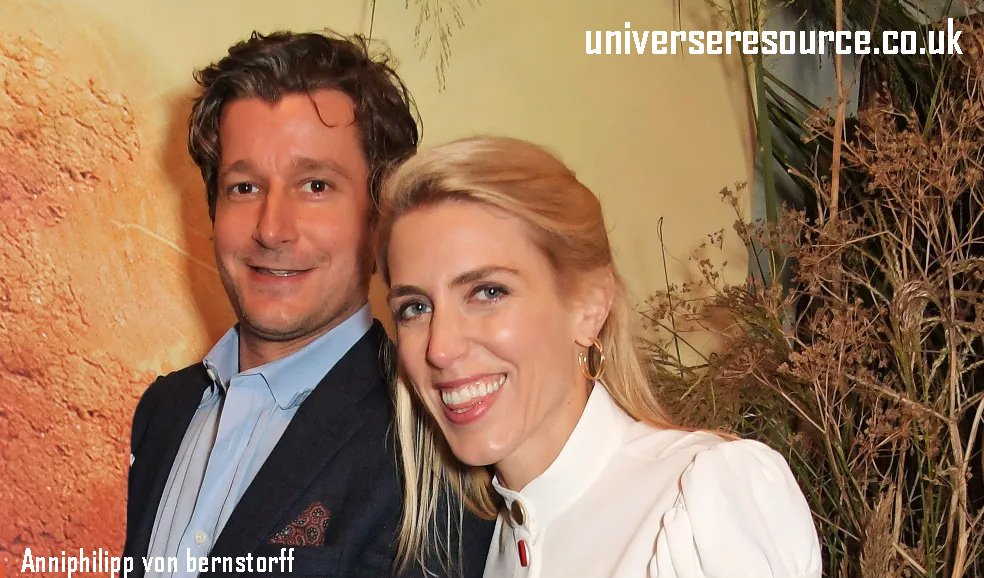
Philipp von Bernstorff is a name associated with one of Europe’s historically significant aristocratic families. The Bernstorff family has long been connected to diplomacy, politics, and social influence across Germany and parts of Europe. Members of this noble lineage have played roles in government, international relations, and cultural development over several centuries.
Interest in Philipp von Bernstorff has grown in recent years as people seek to understand the background of the Bernstorff family and the individuals who continue to carry its legacy forward. His life represents a blend of aristocratic heritage, modern perspectives, and personal achievements.
This article explores his biography, family history, education, personal life, and the broader significance of the Bernstorff name.
The Historical Bernstorff Family
Philipp von Bernstorff: The Bernstorff family is one of the well-known noble families originating from northern Germany. Their roots trace back hundreds of years, particularly in regions connected to what is now modern Germany and Denmark.
Throughout European history, the family produced several influential diplomats and political figures. Among the most famous was Johann Hartwig Ernst von Bernstorff, an 18th-century statesman who served as a prominent minister in Denmark and played an important role in shaping diplomatic policies during his time.
Another notable member was Andreas Peter Bernstorff, who also contributed significantly to Danish political history and reforms.
These historical figures helped establish the reputation of the Bernstorff name in European aristocratic circles.
Birth and Early Life
Philipp von Bernstorff was born into this historically influential family, inheriting both the heritage and expectations associated with the Bernstorff lineage.
Growing up in an environment shaped by tradition, culture, and history, he was exposed early to the values often associated with European noble families. These values typically include education, diplomacy, leadership, and a strong sense of responsibility toward society.
Childhood within such a family often involves a combination of traditional upbringing and modern education. The environment encourages curiosity, cultural awareness, and appreciation for history.
Although details about his early childhood remain relatively private, it is widely understood that his upbringing reflected the traditions of European aristocratic families.
Education and Academic Background
Education has always been a central part of aristocratic family traditions, and the Bernstorff family is no exception. Individuals from such backgrounds often attend prestigious schools and universities, focusing on subjects that prepare them for leadership roles.
For Philipp von Bernstorff, education likely played a major role in shaping his worldview. Students from noble families frequently pursue studies in fields such as:
- Political science
- History
- International relations
- Economics
- Law
These academic disciplines align closely with the diplomatic and political legacy of the Bernstorff family.
Higher education also provides opportunities to interact with international communities, fostering a global perspective that is valuable for individuals connected to historical diplomatic families.
The Role of Heritage
Heritage is an important aspect of identity for individuals born into historic families. The Bernstorff name carries centuries of historical significance, and understanding this legacy often shapes how modern family members view their responsibilities.
For Philipp von Bernstorff, heritage represents more than just ancestry. It reflects a connection to European history and the individuals who shaped diplomatic relationships across nations.
Historic estates, family archives, and preserved documents often serve as reminders of the past. These elements help maintain cultural continuity between generations.
Such heritage can influence personal interests in areas like history, politics, art, and international cooperation.
The Bernstorff Connection to European Diplomacy
Members of the Bernstorff family played notable roles in diplomacy during the 18th and 19th centuries. Their involvement in political affairs helped strengthen relationships between European powers.
Diplomatic families like the Bernstorffs often served as mediators and advisors during periods of political change. Their education, cultural awareness, and multilingual abilities allowed them to navigate complex international negotiations.
The legacy of diplomacy remains an important aspect of the Bernstorff family identity. Modern descendants often maintain an interest in global affairs and international cooperation.
Personal Interests and Modern Lifestyle
In the modern era, individuals from historic families often lead lives that blend tradition with contemporary experiences.
Philipp von Bernstorff represents a generation that appreciates historical heritage while also engaging with modern society. Interests may include travel, cultural exploration, business ventures, and academic pursuits.
People from aristocratic families frequently develop passions related to:
- Art and cultural preservation
- Environmental conservation
- International relations
- Business and entrepreneurship
These interests reflect both the traditions of their family backgrounds and the opportunities available in today’s globalized world.
Cultural Influence of Aristocratic Families
Aristocratic families have historically played significant roles in shaping cultural institutions, architecture, and social traditions.
The Bernstorff family contributed to cultural development through patronage of arts, participation in diplomatic events, and involvement in intellectual circles.
Historic estates associated with the family often served as gathering places for influential thinkers, artists, and political figures.
Such cultural contributions help preserve traditions while fostering new ideas and collaborations.
Maintaining Family Legacy
Maintaining a historical legacy requires dedication from each generation. For individuals like Philipp von Bernstorff, preserving family history may involve protecting archives, supporting historical research, and maintaining family properties.
Family legacy can also extend beyond physical assets. It includes values such as integrity, education, and commitment to public service.
Many modern descendants of noble families actively participate in historical preservation efforts, ensuring that important cultural heritage remains accessible for future generations.
Public Interest and Curiosity
Interest in figures like Philipp von Bernstorff often stems from fascination with aristocratic history and noble families.
People are naturally curious about how historic families live in modern times and how they balance tradition with contemporary lifestyles.
Public interest may focus on topics such as:
- Family history
- Educational background
- Cultural contributions
- Social influence
Although modern members of aristocratic families may prefer privacy, their historical connections often attract attention from historians and enthusiasts.
The Role of Privacy
Despite public curiosity, many individuals from historic families maintain private lives away from media attention.
Privacy allows them to pursue careers, personal interests, and family life without constant scrutiny.
For Philipp von Bernstorff, maintaining personal boundaries may be particularly important given the historical recognition associated with his family name.
Balancing heritage with privacy is a common challenge for people connected to well-known families.
European Aristocracy in the Modern Era
European aristocracy has evolved significantly over time. While noble titles once held political power, modern aristocratic families often focus on cultural heritage and social contributions.
Today, members of historic families participate in a variety of professional fields, including business, academia, and international organizations.
This transformation reflects the changing structure of European societies, where heritage remains respected but individual achievements define modern reputations.
Influence of Historical Figures in the Bernstorff Family
The legacy of influential figures such as Johann Hartwig Ernst von Bernstorff continues to inspire interest in the Bernstorff lineage.
These historical leaders helped shape diplomatic relationships and political reforms that influenced European history.
Their contributions remind modern descendants of the responsibilities associated with their heritage.
Understanding these historical figures also helps historians trace the development of diplomacy and governance in Europe.
Global Perspectives and Modern Opportunities
The modern world offers opportunities that were not available to earlier generations. Individuals from historic families now engage with global industries, technology, and international collaboration.
For someone like Philipp von Bernstorff, modern opportunities may include involvement in cultural initiatives, educational projects, or global organizations.
Such activities reflect a broader trend among descendants of noble families who wish to contribute positively to contemporary society.
Historical Preservation and Education
Preserving history is essential for understanding the development of societies and cultures. Families with long historical records often play an important role in supporting research and educational initiatives.
Archival materials, family documents, and historic estates provide valuable insights into political events, social customs, and diplomatic relationships of past centuries.
Individuals connected to these resources may collaborate with historians, universities, and cultural institutions.
Lessons from Aristocratic Heritage
The story of Philipp von Bernstorff highlights several broader themes connected to heritage and identity.
1. Respect for History
Understanding family history helps individuals appreciate the achievements and struggles of previous generations.
2. Importance of Education
Education remains a central value for families with traditions of leadership and diplomacy.
3. Cultural Responsibility
Preserving cultural heritage ensures that historical knowledge remains available to future generations.
4. Balance Between Tradition and Modern Life
Modern descendants of historic families often seek ways to honor their heritage while embracing contemporary opportunities.
Looking Toward the Future
The future of families like the Bernstorffs depends on how each generation interprets its legacy. Some members focus on historical preservation, while others pursue careers in modern industries.
Philipp von Bernstorff represents a continuation of a long historical narrative that stretches across centuries of European history.
As interest in genealogy and aristocratic history grows, stories connected to families like the Bernstorffs will continue to capture public imagination.
Conclusion
Philipp von Bernstorff is connected to one of Europe’s historically influential aristocratic families. The Bernstorff lineage has contributed to diplomacy, politics, and cultural development for generations.
From early statesmen such as Johann Hartwig Ernst von Bernstorff to modern descendants, the family represents a tradition of education, leadership, and cultural responsibility.
Although much of Philipp von Bernstorff’s personal life remains private, his connection to this historic lineage continues to spark interest among historians and readers curious about aristocratic heritage.
His story reflects the ongoing relationship between history and modern life—demonstrating how the legacy of past generations continues to shape identity and cultural influence today.
