

In the age of social media and constant digital visibility, public figures are often scrutinized not only for their words and actions but also for their appearance. One topic that frequently arises in online discussions is whether certain public personalities have undergone cosmetic procedures. Searches for Laura Loomer plastic surgery reflect this broader trend of curiosity, speculation, and commentary surrounding appearance changes in people who maintain a strong public presence.
This article does not attempt to diagnose, confirm, or deny any medical or cosmetic procedures. Instead, it examines why such discussions emerge, laura loomer plastic surgery how visual perception and media framing influence public opinion, and what this phenomenon reveals about modern culture, politics, and online discourse.
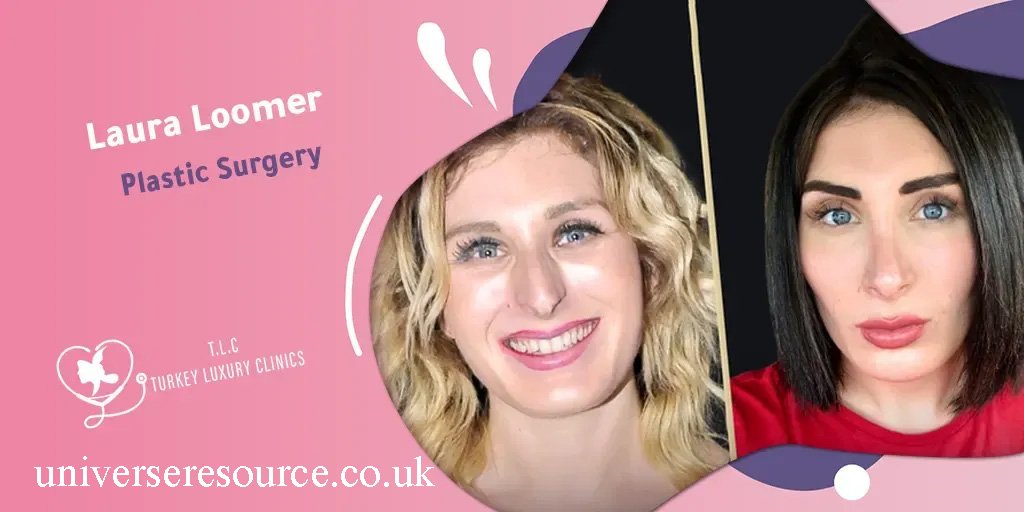
Who Is Laura Loomer?
To understand why discussions about appearance exist, it is important to first understand who Laura Loomer is and why she attracts public attention.
Laura Loomer is an American political activist, laura loomer plastic surgery commentator, and media personality who has been involved in various political movements and controversies. She is known for her strong views, confrontational style, and frequent use of social media platforms to communicate directly with supporters and critics alike.
Because of her outspoken nature and consistent online presence, Loomer is a highly visible figure. With visibility comes scrutiny—not just of ideology and behavior, but also of physical appearance. This dynamic plays a major role in why discussions like Laura Loomer plastic surgery circulate online.
Why Public Figures Face Appearance Speculation
Speculation about cosmetic procedures is not unique to Laura Loomer. Many politicians, activists, journalists, and celebrities face similar commentary.
Constant Visual Documentation
Public figures today are photographed and recorded far more frequently than in previous generations. High-definition cameras, livestreams, and archived laura loomer plastic surgery content make it easy to compare images from different years and draw conclusions—accurate or not.
Changing Styles and Aging
Changes in hairstyle, makeup, lighting, weight, or natural aging can significantly alter how a person looks. However, online audiences often interpret these changes as evidence of cosmetic intervention rather than normal variation.
The Internet’s Comparison Culture
Side-by-side images, “before and after” posts, and speculative videos are common online. These formats encourage viewers to analyze facial features closely, sometimes without understanding how factors like camera angles or facial expressions affect appearance.
Laura Loomer Plastic Surgery Discussions in Online Spaces
Searches related to Laura Loomer plastic surgery largely originate from social media platforms, forums, and commentary websites rather than from verified reporting or medical disclosures.
Speculation vs. Confirmation
It is important to distinguish speculation from fact. To date, there has been no universally verified public statement or medical confirmation regarding cosmetic surgery from Laura laura loomer plastic surgery Loomer herself. Most discussions are based on visual observation and personal opinion rather than evidence.
Social Media Amplification
Social media algorithms often amplify controversial or speculative content because it generates engagement. Posts questioning appearance changes can spread quickly, regardless of accuracy.
Political Bias and Personal Attacks
In politically polarized environments, commentary on appearance is sometimes used as a rhetorical tool rather than genuine curiosity. laura loomer plastic surgery Supporters and critics alike may project narratives that fit their broader opinions.
Understanding Cosmetic Procedures in Modern Society
To better understand why people speculate about cosmetic surgery, it helps to consider how common such procedures have become.
Cosmetic Enhancements Are Increasingly Normalized
In many societies, cosmetic procedures—ranging from minimally invasive treatments like fillers to surgical interventions—are no longer taboo. Public discussion around them has become more open, especially among celebrities and influencers.
Non-Surgical Changes Can Be Misinterpreted
Procedures such as Botox, dermal fillers, skin resurfacing, or professional makeup techniques can significantly alter appearance without surgery. These changes are often subtle but noticeable over time.
Lighting, Makeup, and Presentation
Professional lighting, contouring makeup, and styling can dramatically change facial features in photos and videos. Differences between candid images and staged appearances can easily fuel speculation.
Media Responsibility and Ethical Considerations
The topic of Laura Loomer plastic surgery also raises questions about ethics in media and online commentary.
Privacy and Bodily Autonomy
Medical and cosmetic choices are personal. Even public figures retain the right to bodily autonomy and privacy unless they choose to share such information themselves.
Avoiding Unfounded Claims
Speculating about procedures without evidence can contribute to misinformation. It may also reinforce unrealistic beauty standards or perpetuate stigma around aging and appearance.
Gendered Scrutiny
Women in public life are disproportionately subjected to appearance-based analysis compared to men. laura loomer plastic surgery Discussions about cosmetic surgery often reflect broader societal pressures placed on women to look a certain way.
The Role of Visual Perception and Cognitive Bias
Human perception is not objective. Several cognitive factors influence how people interpret appearance changes.
Confirmation Bias
Once a person expects to see evidence of cosmetic surgery, they may interpret any change as confirmation—even if there are alternative explanations.
The Impact of Aging
Faces naturally change over time due to aging, stress, lifestyle, and health. Public figures who have been visible for many years are especially vulnerable to comparison-based judgments.
The “Frozen Image” Effect
Audiences often mentally fix a public figure’s appearance at a certain point in time. Any deviation from that mental image may feel abrupt or artificial, even if it is natural.
Laura Loomer Plastic Surgery and Political Discourse
In politically charged environments, appearance-based commentary often intersects with ideological conflict.
Weaponization of Appearance
Critics sometimes use claims about cosmetic surgery to discredit or mock a public figure, shifting focus away from substantive debate.
Deflection From Ideas
Focusing on appearance can divert attention from policy positions, activism, or ideological arguments. This shift can lower the quality of public discourse.
Identity and Public Image
For political figures, image management is often unavoidable. laura loomer plastic surgery Clothing, posture, and presentation all contribute to how messages are received—sometimes more than content itself.
The Psychology Behind Public Curiosity
Why are people so interested in whether someone has had cosmetic work done?
Desire for Authenticity
Audiences often seek “authenticity” from public figures. Perceived alterations to appearance may be interpreted—fairly or not—as inauthentic behavior.
Relatability and Comparison
People compare themselves to public figures. Knowing whether an appearance is natural or enhanced can influence self-esteem and body image.
Cultural Fascination With Transformation
Before-and-after narratives are deeply embedded in popular culture, from makeover shows to celebrity news. They offer a sense of storytelling and transformation.
Separating Appearance From Identity
One of the most important takeaways from discussions like Laura Loomer plastic surgery is the need to separate appearance from personal identity and professional relevance.
Appearance Does Not Define Beliefs
Regardless of whether someone has had cosmetic procedures, their political views, actions, and influence remain separate from physical appearance.
Reducing Harmful Narratives
Overemphasis on looks can contribute to harmful beauty standards and discourage diverse representation in public life.
Encouraging Substance Over Surface
Focusing on ideas, policies, and behavior leads to more meaningful conversations than analyzing facial features.
Public Statements and Silence
In many cases, public figures choose not to address speculation about their appearance.
Silence as a Boundary
Not responding to rumors can be a deliberate choice to maintain personal boundaries and avoid legitimizing speculation.
When Public Figures Do Speak
Some individuals openly discuss cosmetic procedures to normalize them or control the narrative. Others prefer privacy, and both choices are valid.
Respecting Personal Decisions
Whether someone chooses transparency or silence, respecting that decision contributes to healthier public discourse.
The Broader Cultural Context
Discussions around cosmetic surgery are not just about individuals—they reflect societal attitudes.
Beauty Standards in the Digital Era
Filters, editing tools, and curated online personas have reshaped expectations of beauty, making natural variation seem unusual.
The Pressure of Visibility
Constant visibility increases pressure to maintain a consistent appearance, especially for women in male-dominated or highly critical spaces.
Moving Toward Nuanced Conversations
There is growing awareness of the need for more nuanced conversations about appearance, aging, and self-expression.
Conclusion
The interest in Laura Loomer plastic surgery is part of a much larger pattern in modern media culture—one where public figures are examined not only for what they say and do, but for how they look over time. While curiosity is natural, speculation without evidence can blur the line between observation and assumption.
Ultimately, appearance-related discussions say as much about societal expectations and online behavior as they do about the individuals involved. Whether or not a public figure has undergone cosmetic procedures is far less significant than the ideas they promote, the actions they take, and the impact they have on public life.
A more thoughtful approach to public discourse emphasizes substance over surface, respect over rumor, and understanding over speculation. As audiences become more media-literate, there is an opportunity to shift conversations toward issues that truly matter—leaving appearance where it belongs: as a personal and private aspect of human life.
