

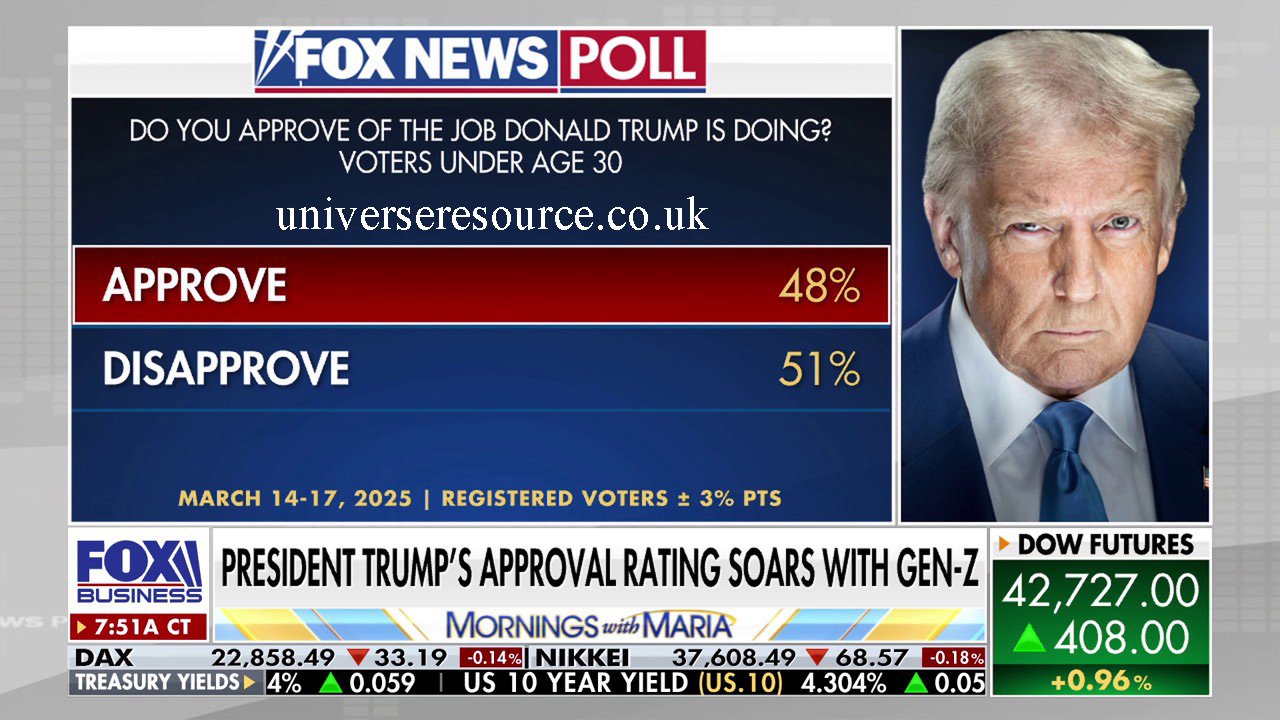
Political approval ratings have long been a tool for understanding public sentiment, but in recent years, generational divides have become especially important. Among these, Generation Z stands out as a group reshaping political discourse in the United States. Born roughly between the late 1990s and early 2010s, Gen Z is now old enough to vote, protest, influence online narratives, and shape future elections.
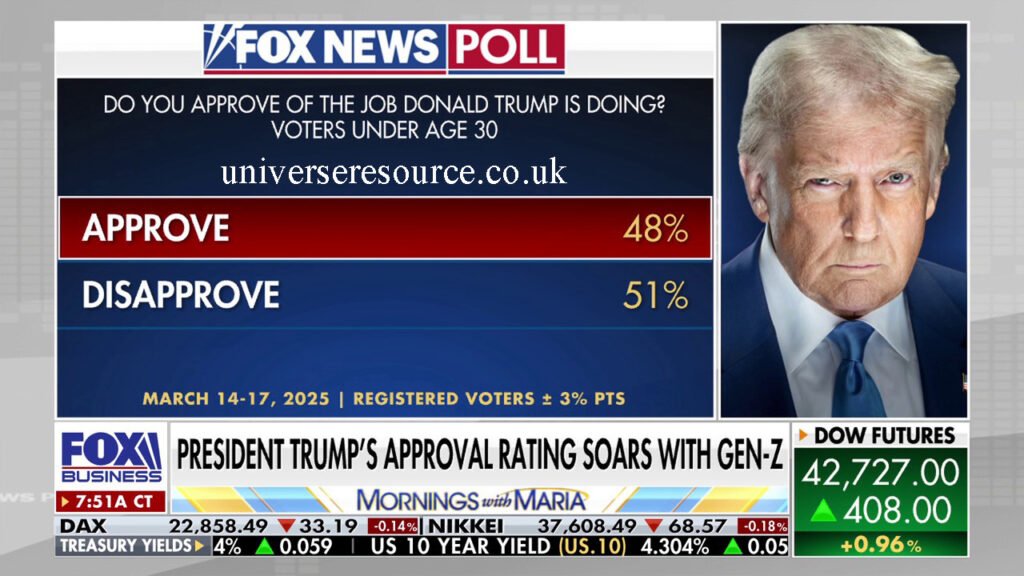
One of the most discussed topics in this context is how trump approval rating gen z views Donald Trump. Whether through polls, social media trends, or cultural commentary, the conversation surrounding Trump’s popularity among younger voters reveals deeper insights into generational values, priorities, and political identity.
This article explores the broader context behind youth political attitudes, the factors influencing Gen Z’s views, and what the discussion around Trump’s approval among young people reveals about the future of American politics.
Understanding Generation Z as a Political Force
Generation Z is the most diverse generation in U.s. history, both racially and culturally. They grew up in a world shaped by social media, economic uncertainty, climate change concerns, and political polarization. Unlike previous generations, trump approval rating gen z has had constant access to information—and misinformation—from a very young age.
Politically, Gen Z is often characterized by:
- High engagement with social issues
- Skepticism toward traditional institutions
- Strong opinions shaped by online communities
- Preference for authenticity over formality
These traits play a crucial role in shaping how this generation evaluates political leaders, policies, and public figures.
Trump Approval Rating Gen Z: Why the Topic Matters
Discussions around Trump’s popularity among Gen Z are not just about one individual. They reflect a broader generational response to leadership style, rhetoric, and values.
Donald Trump’s political identity is strongly defined—direct, confrontational, and unconventional. For some voters, this approach represents strength and honesty. For others, it raises concerns about division, decorum, and long-term impact.
Gen Z’s reaction to Trump provides insight into:
- How younger voters interpret political authority
- What leadership qualities resonate with them
- How cultural and digital environments influence opinion formation
Understanding this dynamic helps explain larger shifts in voter behavior.
Political Socialization in the Digital Age
Unlike older generations who primarily consumed political information through television and newspapers, Gen Z has been shaped by the internet. Platforms such as YouTube, TikTok, Instagram, and X (formerly Twitter) play a central role in how young people encounter political content.
This environment affects political perception in several ways:
- Short-form content simplifies complex issues
- Algorithms reinforce existing beliefs
- Political messaging becomes intertwined with entertainment
As a result, opinions about political figures are often formed through clips, commentary, memes, and peer discussion rather than long-form policy analysis.
Trump Approval Rating Gen Z and Media Influence
Media representation plays a significant role in shaping Gen Z’s perception of Donald Trump. Coverage of Trump has historically been intense, polarized, and emotionally charged.
Young audiences are exposed not only to traditional news but also to:
- Satirical commentary
- Influencer opinions
- Viral moments taken out of context
This fragmented media environment means that Trump is often perceived more as a cultural figure than a conventional politician. For Gen Z, media framing can significantly influence whether Trump is viewed as relatable, controversial, or irrelevant.
Core Issues That Matter to Gen Z
To understand Gen Z’s political preferences, it’s essential to examine the issues they care about most. Surveys and youth activism suggest that Gen Z prioritizes:
- Climate change and environmental sustainability
- Social justice and civil rights
- Economic opportunity and student debt
- Mental health awareness
- Government transparency
When evaluating any political leader, Gen Z often assesses how well they align with these priorities. Approval or disapproval is less about party loyalty and more about perceived values and impact.
Trump Approval Rating Gen Z and Cultural Identity
Political views among Gen Z are closely tied to cultural identity. This generation tends to see politics not just as governance, but as an extension of personal values.
Trump’s brand of politics—nationalistic, confrontational, and highly individual-driven—interacts with Gen Z’s cultural norms in complex ways. While some young voters appreciate his rejection of political correctness, others feel alienated by rhetoric they perceive as exclusionary.
These cultural interpretations often matter as much as policy positions.
The Role of Education and Campus Culture
Educational environments strongly influence political attitudes. Many Gen Z voters are currently in high school or college, where discussions about history, inequality, and civic responsibility are common.
Campus culture often emphasizes:
- Inclusivity and diversity
- Critical thinking about power structures
- Engagement with global perspectives
These values can shape how students interpret political leadership and historical narratives, influencing their approval or disapproval of figures like Trump.
Trump Approval Rating Gen Z and Economic Perception
Economic experiences also play a key role in shaping political views. Gen Z entered adulthood during or after major economic disruptions, including recessions, a global pandemic, and rising living costs.
Economic concerns for Gen Z often include:
- Job stability
- Housing affordability
- Healthcare access
When evaluating political leadership, young voters may focus less on stock market performance and more on personal economic security and long-term opportunity.
Social Media Discourse and Peer Influence
Peer influence is particularly powerful among Gen Z. Political opinions are often shaped through group discussions, online communities, and shared digital experiences.
On social media, political identity can become performative:
- Likes and shares signal values
- Silence can be interpreted as agreement or opposition
- Public opinion feels constantly visible
In this environment, attitudes toward Trump are often reinforced or challenged through social interaction rather than individual analysis.
Trump Approval Rating Gen Z Compared to Other Generations
One of the reasons this topic receives attention is the contrast between Gen Z and older generations. While political opinions vary widely within any age group, generational trends often reveal meaningful differences.
Older voters may prioritize:
- Economic growth metrics
- National security
- Institutional stability
Younger voters, including Gen Z, often emphasize:
- Social impact
- Ethical leadership
- Long-term sustainability
These differing priorities help explain generational gaps in political approval ratings.
Political Polarization and Identity Formation
Gen Z has grown up in an era of intense political polarization. Unlike previous generations who may have seen politics as episodic, Gen Z experiences it as constant and omnipresent.
This environment affects identity formation:
- Political beliefs become part of self-expression
- Disagreement can feel personal
- Compromise may be viewed skeptically
As a result, opinions about Trump are often deeply held and emotionally charged, reflecting broader societal divisions.
Trump Approval Rating Gen Z and Trust in Institutions
Trust in institutions is another critical factor. Gen Z generally exhibits lower trust in traditional authority structures, including government, corporations, and media.
This skepticism influences how young people evaluate political figures. Leaders who appear to challenge established systems may appeal to some, while others may see such behavior as destabilizing.
Trump’s outsider narrative interacts with this skepticism in complex and sometimes contradictory ways.
The Influence of Activism and Protest Culture
Gen Z is known for its activism, both online and offline. Movements related to climate action, racial justice, and gun reform have seen significant youth involvement.
Activism shapes political evaluation by:
- Emphasizing moral clarity
- Prioritizing action over rhetoric
- Holding leaders accountable to stated values
This lens influences how Gen Z judges political figures, including Trump, based on perceived alignment with activist goals.
Trump Approval Rating Gen Z and Long-Term Political Engagement
While approval ratings provide a snapshot, long-term engagement matters more. Gen Z’s political behavior will evolve as members age, enter the workforce, and take on new responsibilities.
Early political impressions can have lasting effects, shaping:
- Voting habits
- Party affiliation
- Civic participation
Understanding current attitudes helps anticipate future trends in American democracy.
Global Perspective and International Awareness
Gen Z is more globally connected than any previous generation. Exposure to international perspectives through social media and travel influences political outlook.
This global awareness affects how young Americans view national leadership, foreign policy, and international reputation—factors that contribute to their evaluation of political figures.
Media Literacy and Critical Consumption
One positive trend among Gen Z is increasing awareness of media literacy. Many young people actively question sources, bias, and intent.
This critical approach can:
- Reduce blind loyalty
- Encourage issue-based evaluation
- Complicate approval metrics
As media literacy grows, political opinions may become more nuanced and less driven by headline narratives.
Trump Approval Rating Gen Z as a Reflection of Societal Change
Ultimately, discussions about Trump’s popularity among Gen Z are less about approval numbers and more about societal change. They reflect shifting values, new modes of communication, and evolving expectations of leadership.
This generation is redefining what political engagement looks like—less formal, more expressive, and deeply intertwined with identity.
The Future of Gen Z Political Influence
As Gen Z’s voting power increases, its influence on elections, policy debates, and political culture will grow. Political leaders across the spectrum will need to understand and engage with this generation more effectively.
Whether Gen Z’s views shift over time or remain consistent, their role in shaping the future of American politics is undeniable.
Conclusion
The conversation around Trump approval rating gen z highlights the complex intersection of age, culture, media, and political values. trump approval rating gen z is not monolithic, but its collective tendencies offer insight into the future direction of political engagement in the United States.
Rather than viewing approval ratings as definitive judgments, it is more productive to see them as reflections of broader generational experiences. Gen Z’s response to political leadership is shaped by a unique blend of digital exposure, social consciousness, and historical context.
As this generation continues to mature and participate more fully in civic life, its influence will reshape political narratives—challenging leaders to adapt to a rapidly changing world.
