

Survival games challenge players to think strategically, manage limited resources, and adapt to harsh environments. Few titles capture this experience as effectively as The Long Dark, developed by Hinterland Studio. Set in a frozen post-apocalyptic wilderness, the game strips away modern conveniences and forces players to rely on skill and knowledge.
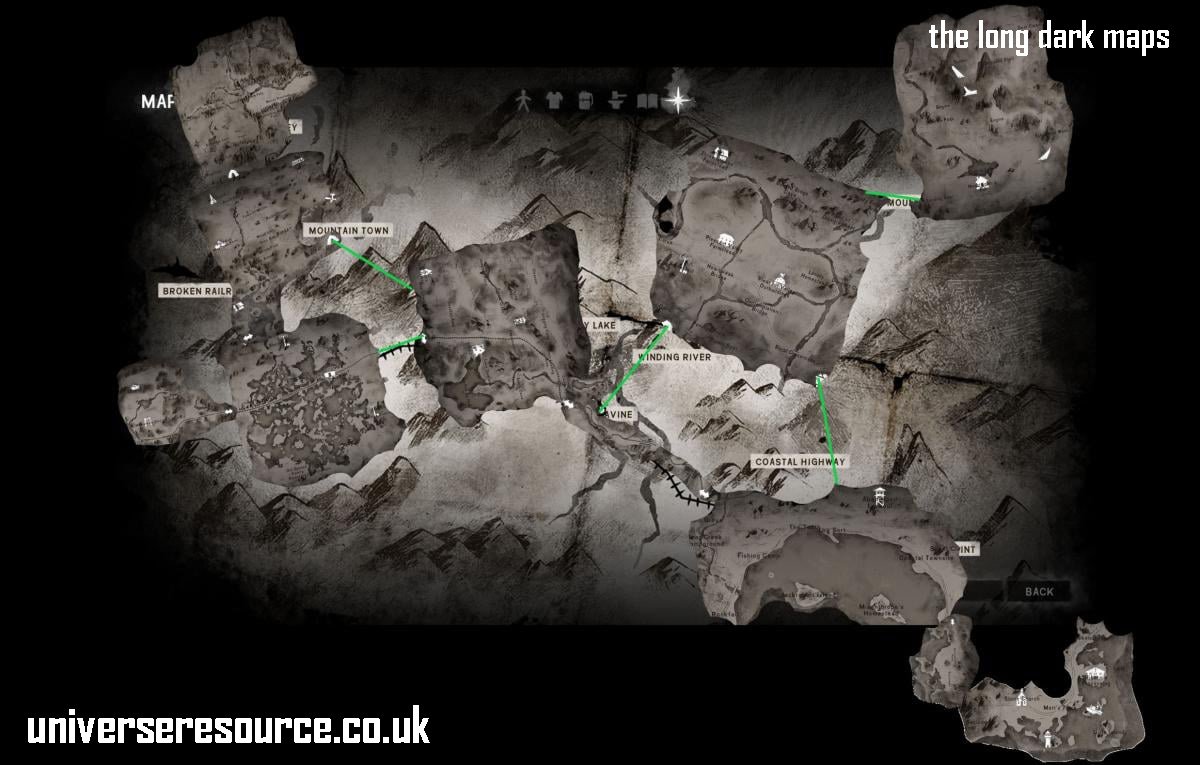
One of the most important aspects of mastering the game is understanding the long dark maps. Each region offers unique terrain, weather conditions, wildlife threats, and resource availability. Navigating these areas without preparation can quickly lead to freezing, starvation, or a fatal wolf encounter.
In this in-depth guide, we will explore the long dark maps in detail — covering region layouts, strategic advantages, key landmarks, travel connections, and survival tips. Whether you’re a beginner starting in Mystery Lake or a veteran venturing into the Far Territory, understanding the maps is the key to long-term survival.

Understanding The Long Dark Maps and Regional Design
Unlike many open-world games, The Long Dark does not rely on a traditional GPS-style map system. Instead, players must manually chart their surroundings using charcoal found in burned-out campfires. This design encourages exploration and situational awareness.
The long dark maps are divided into multiple interconnected regions. Each one has:
- Distinct geography
- Unique structures
- Varying wildlife density
- Different resource distribution
- Weather severity variations
Regions are connected through transition zones such as caves, tunnels, or ravines. Planning travel routes between areas becomes critical for advanced survival strategies.
Mystery Lake and The Long Dark Maps
Mystery Lake is widely considered the central hub of the long dark maps. Many players begin their journey here due to its balanced difficulty.
Key Features of Mystery Lake
- Camp Office (popular base location)
- Trapper’s Homestead
- Carter Hydro Dam
- Railway tracks connecting major points
- Fishing huts on the frozen lake
Mystery Lake provides moderate wildlife threats and accessible loot, making it ideal for early-game survival. The central rail line simplifies navigation compared to more complex regions.
For long-term survival, many players establish their primary base here before expanding into harsher zones.
Coastal Highway in The Long Dark Maps
Coastal Highway offers a blend of open shoreline and inland structures. It is both resource-rich and dangerous due to predator activity.
Notable Locations
- Quonset Garage
- Fishing Village
- Coastal Townsite
- Abandoned Mine transition
The frozen coastal roads create open sightlines but also leave players exposed to wolves and bears. Loot density is relatively high, particularly in residential houses.
Travel between Coastal Highway and neighboring regions is relatively accessible, making it a popular mid-game destination.
Pleasant Valley and The Long Dark Maps
Pleasant Valley lives up to its ironic name. It is one of the most challenging regions due to extreme weather variability.
Key Points
- Farmstead (central shelter location)
- Barns and rural houses
- Signal Hill
- Long, open fields prone to blizzards
Pleasant Valley is notorious for sudden weather changes. Visibility can drop rapidly, making navigation dangerous.
Despite harsh conditions, the region offers significant loot and multiple shelter options. Strategic planning is essential before long excursions.
Timberwolf Mountain in The Long Dark Maps
Timberwolf Mountain is one of the most iconic and challenging regions in the long dark maps.
Why It’s Important
- Contains the crashed cargo plane
- Offers high-tier loot
- Features steep vertical terrain
- Requires rope climbing skill
Climbing the mountain is risky but rewarding. Players who reach the summit gain access to valuable supplies that can dramatically improve survival chances.
However, poor planning can lead to exhaustion and fatal falls.
Forlorn Muskeg and The Long Dark Maps
Forlorn Muskeg is a frozen marshland filled with thin ice hazards.
Key Characteristics
- Fragile ice surfaces
- Sparse tree cover
- Limited shelter
- Abandoned railway
This region demands careful movement. Thin ice can break beneath players, causing hypothermia risk.
Despite its dangers, Forlorn Muskeg serves as an important connection between Mystery Lake and other regions.
Broken Railroad in The Long Dark Maps
Broken Railroad is smaller than many other regions but offers high-value resources.
Important Areas
- Maintenance Yard
- Hunting Lodge
- Rail tunnels
Predator density can be high, but loot opportunities are significant. The Hunting Lodge is especially valuable for mid-game gear acquisition.
Desolation Point and The Long Dark Maps
Desolation Point features industrial ruins and coastal cliffs.
Highlights
- Hibernia Processing Plant
- Lighthouse
- Crumbling Highway
This compact region offers valuable crafting materials and tools. However, wolf patrols are common, and navigation through industrial structures can be confusing.
Mountain Town in The Long Dark Maps
Also known as Milton, Mountain Town is a residential-heavy region.
Key Locations
- Milton House
- Paradise Meadows Farm
- Orca Gas Station
Mountain Town offers numerous buildings for scavenging. However, narrow streets increase ambush risk from wolves.
For players focusing on early loot runs, this region can be highly rewarding.
Ash Canyon and The Long Dark Maps
Ash Canyon is one of the more complex and vertical regions.
Why It’s Unique
- Rope bridges
- Hidden gold mine
- Technical backpack reward
The technical backpack increases carrying capacity, making Ash Canyon an essential destination for long-term survival optimization.
However, reaching key rewards requires careful navigation and stamina management.
Blackrock Region in The Long Dark Maps
Blackrock is one of the newer additions to the long dark maps.
Features
- Prison complex
- Toxic gas areas
- Timberwolf packs
This region introduces additional environmental hazards, increasing difficulty.
Blackrock is best explored once players have established strong gear and resource reserves.
Transition Zones in The Long Dark Maps
Transition zones connect regions and often serve as temporary shelters.
Examples include:
- Ravines
- Caves
- Tunnels
- River valleys
These areas provide safe passage when planned properly. Understanding connections between the long dark maps is critical for advanced travel routes.
Weather Systems and The Long Dark Maps
Weather dramatically affects navigation and survival.
Common weather conditions include:
- Blizzards
- Dense fog
- Light snow
- Clear but freezing nights
Regions such as Pleasant Valley experience more frequent blizzards, while coastal areas may have milder but windy conditions.
Learning regional weather tendencies improves route planning.
Wildlife Distribution in The Long Dark Maps
Each region features different predator density levels.
Common wildlife includes:
- Wolves
- Bears
- Moose
- Rabbits
- Deer
Understanding wildlife spawn patterns helps players:
- Avoid ambushes
- Hunt efficiently
- Plan safe travel routes
Timberwolf Mountain and Blackrock feature timberwolf packs, which behave differently from standard wolves.
Resource Strategy Across The Long Dark Maps
Resource availability varies significantly.
Early Game Regions
- Mystery Lake
- Mountain Town
These provide accessible food and tools.
Mid-Game Regions
- Coastal Highway
- Pleasant Valley
Higher loot but increased risk.
Late-Game Regions
- Ash Canyon
- Blackrock
Advanced rewards but extreme hazards.
Balancing risk and reward is key.
Mapping Mechanics in The Long Dark Maps
Players must manually map areas using charcoal.
Mapping Tips
- Climb to high vantage points
- Map during clear weather
- Mark key landmarks
- Chart safe shelter locations
Mapping increases awareness and improves long-term planning.
Establishing Base Locations in The Long Dark Maps
Choosing the right base impacts survival longevity.
Popular bases include:
- Camp Office (Mystery Lake)
- Quonset Garage (Coastal Highway)
- Farmstead (Pleasant Valley)
- Hunting Lodge (Broken Railroad)
Good bases offer:
- Indoor shelter
- Storage capacity
- Nearby food sources
- Central travel access
Travel Strategy Across The Long Dark Maps
Efficient travel requires preparation.
Before moving between regions:
- Pack emergency food
- Carry medical supplies
- Monitor weather forecasts
- Travel during daylight
Avoid traveling during blizzards whenever possible.
Comparing Regions in The Long Dark Maps
| Region | Difficulty | Loot Density | Weather Severity |
|---|---|---|---|
| Mystery Lake | Moderate | Balanced | Moderate |
| Pleasant Valley | High | High | Severe |
| Coastal Highway | Moderate | High | Windy |
| Timberwolf Mountain | High | Very High | Harsh |
| Ash Canyon | Very High | Strategic | Extreme |
Understanding these differences improves decision-making.
The Long Dark Maps in Story Mode vs Survival Mode
The game includes Wintermute (story mode) and Survival Mode.
In story mode:
- Some regions are gated
- Objectives guide exploration
- Loot placement may vary
In survival mode:
- Full exploration freedom
- Randomized item placement
- Higher replay value
The long dark maps feel different depending on mode.
Advanced Survival Using The Long Dark Maps
Veteran players optimize routes between regions to:
- Rotate food supplies
- Avoid depleted areas
- Access specialized crafting materials
- Maintain predator-safe travel paths
Advanced play involves rotating bases and seasonal migration patterns.
Why The Long Dark Maps Are So Memorable
Unlike many open-world games that rely on mini-maps and markers, The Long Dark forces players to internalize geography.
This design creates:
- Emotional attachment to regions
- Genuine fear during storms
- Satisfaction in mastering navigation
Every landmark becomes meaningful through experience.
Final Thoughts on The Long Dark Maps
Mastering the long dark maps is essential for thriving in The Long Dark. Each region presents unique challenges and opportunities, from the balanced environment of Mystery Lake to the brutal conditions of Ash Canyon and Blackrock.
Success in this unforgiving wilderness depends on knowledge, preparation, and adaptability. Learning travel routes, understanding wildlife behavior, and identifying strong base locations transform survival from luck-based to strategy-driven.
Whether you are charting your first charcoal map or planning a cross-region expedition, the long dark maps reward patience and exploration. In a world stripped of modern guidance systems, survival becomes deeply personal — and every journey across the frozen landscape tells a story of resilience.
