

Introduction
In contemporary American politics, few topics generate as much debate as the relationship between former President Donald Trump and the Republican Party. While Trump maintains a strong base among voters, a notable segment of Republicans continues to voice opposition, arguing that his influence conflicts with the party’s long-term vision and principles.
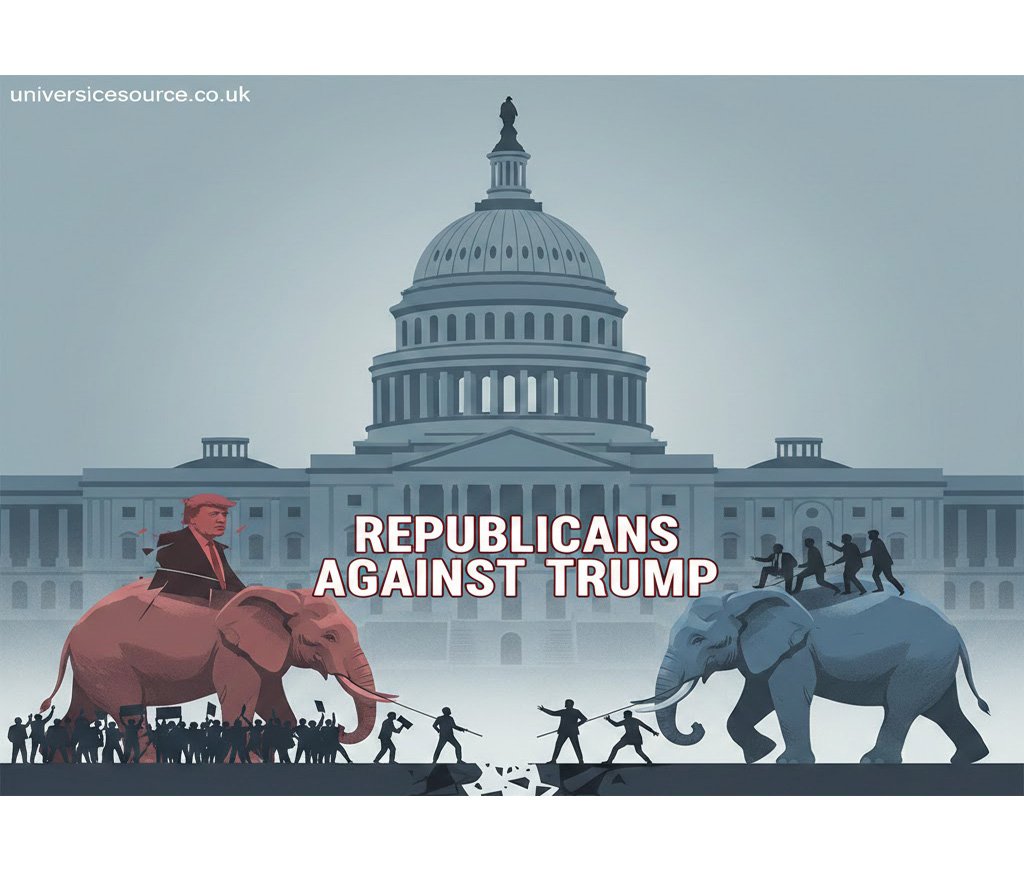
The phenomenon of Republicans against Trump reflects deeper ideological, strategic, and generational divides. These internal tensions have far-reaching consequences for elections, policy-making, and party identity. Understanding this dynamic requires exploring its historical roots, political motivations, key figures, and potential impact on the future of the Republican Party
Historical Context of Republican Divisions
republicans against trump: The Republican Party, founded in 1854, has long experienced periods of internal debate. From disagreements over civil rights policies in the 20th century to clashes over fiscal and social conservatism, the party has continuously navigated ideological tensions.
Trump’s rise intensified these debates. His populist messaging, unconventional approach to governance, and polarizing rhetoric challenged traditional Republican norms, creating a schism between establishment figures and his loyal supporters.
Key Motivations Behind Opposition
republicans against trump: Republicans opposing Trump often cite multiple concerns:
- Policy Disagreements – Critics argue that Trump’s policies sometimes deviate from traditional conservative principles, including fiscal responsibility, foreign policy norms, and limited government ideology.
- Character and Conduct – Trump’s approach to political discourse, public statements, and controversies has caused some Republicans to question his suitability as a party standard-bearer.
- Electoral Strategy – Some establishment figures believe that strong association with Trump may hinder the party’s ability to attract independent and moderate voters.
- Rule of Law and Governance – Several Republicans have expressed concern about actions they perceive as undermining democratic institutions, particularly following the 2020 election and related controversies.
Prominent Republicans Against Trump
Political Leaders
republicans against trump: A number of high-profile Republican figures have openly opposed Trump or criticized his leadership style:
- Mitt Romney – Consistently criticized Trump’s rhetoric and conduct while remaining in the party.
- Liz Cheney – Vocal opponent, particularly concerning the 2021 Capitol events.
- John Kasich – Advocates for a return to traditional Republican principles and coalition-building.
These leaders often balance public criticism with continued party affiliation, aiming to influence its long-term direction.
Grassroots and Local Opposition
republicans against trump: Beyond elected officials, grassroots movements of Republicans who oppose Trump have emerged. These groups often advocate:
- Alternative candidates for leadership positions
- Reaffirmation of policy principles without populist rhetoric
- Electoral accountability to traditional party values
Social media platforms and political forums have amplified their voices, contributing to national awareness.
Election Cycles and Trump Opposition
2016 Election
republicans against trump: republicans against trump: Trump’s initial nomination exposed early fractures. Several Republican figures refused to endorse him, citing concerns over experience and temperament. Despite this, Trump secured broad party support due to delegate alignment and popular momentum.
2020 Election
republicans against trump: After Trump’s reelection bid, opposition intensified. Prominent Republicans publicly criticized challenges to election results, contributing to heightened debate about party direction.
2024 and Beyond
republicans against trump: The upcoming election cycles continue to highlight internal divisions. Republicans opposing Trump advocate for new leadership that aligns with conventional strategies and broad-based voter appeal, raising questions about primary contests and party unity.
Ideological Tensions Within the Party
republicans against trump: Several ideological conflicts underpin the “Republicans against Trump” movement:
- Populism vs. Traditional Conservatism – Trump’s populist style often conflicts with economic and social policies favored by establishment Republicans.
- Nationalism vs. Global Engagement – Debates over trade, alliances, and foreign policy have divided party lines.
- Rhetoric vs. Diplomacy – Trump’s communication style, often blunt and confrontational, contrasts with conventional political norms embraced by some Republicans.
These tensions illustrate the complexity of defining party identity in a post-Trump era.
Media Coverage and Public Perception
Mainstream media outlets, political blogs, and independent commentators have highlighted Republican dissent as a critical storyline. Coverage focuses on:
- Public statements and debates
- Endorsement decisions during elections
- Reactions to Trump’s policy announcements
- Influence on local and national campaigns
Public perception is shaped by both media narratives and social media amplification, leading to a nuanced landscape of support, opposition, and neutrality.
The Role of Policy Disagreements
Policy disagreements often underpin opposition. Key areas include:
- Economic Policy – Some Republicans oppose Trump’s tariffs and trade approaches, arguing they diverge from free-market conservatism.
- Judicial Appointments – While Trump has successfully influenced the judiciary, opponents question long-term implications of his selection process.
- Immigration and Border Control – Debate persists between hardline approaches and more moderate conservative strategies.
- Foreign Relations – Divergence over international alliances, military interventions, and global diplomacy contributes to intra-party conflict.
Generational Divide
The movement against Trump also reflects generational differences. Older party members often emphasize traditional political norms and governance experience, while younger voters are more drawn to Trump’s populist messaging.
This divide manifests in:
- Voting patterns
- Primary endorsements
- Social media engagement
- Political commentary and advocacy
Political Strategy and Party Identity
Opposition to Trump within the Republican Party is not purely ideological—it is strategic. Critics emphasize:
- Electability in general elections
- Maintaining a broad voter coalition
- Strengthening local and state-level party infrastructure
- Reducing polarization to appeal to moderates
These strategies aim to ensure the party’s long-term viability while managing internal tensions.
Impact on Policy and Governance
Republicans opposing Trump have influenced policy discussions and legislative priorities. Their involvement:
- Shapes public debate on governance norms
- Influences candidate selection during primaries
- Affects party messaging on national security, economy, and civil rights
- Encourages internal accountability and transparency
While Trump remains a dominant figure, opposition voices contribute to balancing discourse within the party.
Grassroots Movements and Political Action Committees (PACs)
Numerous grassroots organizations and PACs support Republican candidates independent of Trump-aligned factions. These groups focus on:
- Funding moderate candidates
- Advocacy for policy platforms consistent with traditional conservatism
- Voter education initiatives
- Counteracting extreme polarization
Their activity underscores the structured nature of internal party opposition.
Social Media and Digital Influence
Digital platforms play a critical role in amplifying dissent. Republican critics of Trump use:
- Twitter/X for public statements and debates
- YouTube for policy commentary
- TikTok and Instagram to engage younger voters
- Podcasts for in-depth political discussion
This digital presence allows dissenting Republicans to mobilize support without relying solely on mainstream media channels.
Challenges and Risks of Opposition
Opposition Republicans face multiple challenges:
- Risk of alienation from core Trump supporters
- Potential primary challenges from pro-Trump candidates
- Media scrutiny and public backlash
- Balancing criticism with party unity
Despite these risks, their persistence highlights the significance of ideological integrity and political accountability.
Notable Case Studies
Several high-profile events illustrate the dynamics of Republican opposition:
- Liz Cheney’s leadership role in congressional investigations
- Mitt Romney’s voting record and public critiques
- Local Republican races where moderate candidates successfully challenged Trump-aligned contenders
These examples demonstrate the practical influence of anti-Trump Republicans within legislative and electoral contexts.
Future Implications for the Party
The trajectory of Republican opposition to Trump carries long-term implications:
- Redefinition of party principles and platform
- Shifts in voter demographics and appeal
- Emergence of new leadership pipelines
- Balancing populist enthusiasm with electoral pragmatism
Observers suggest that internal debates may shape the party’s identity for decades.
Conclusion
The phenomenon of Republicans against Trump is a testament to the complex and evolving nature of American politics. Driven by ideology, strategy, and concern for the party’s future, these Republicans play a crucial role in shaping discourse, influencing elections, and maintaining a diversity of perspectives within the GOP.
While Trump continues to be a central figure, opposition voices highlight the ongoing negotiation of values, leadership, and political strategy. Their actions suggest that the Republican Party will continue to wrestle with internal divisions, reflecting broader challenges of governance, representation, and party identity in the modern era.
