


Health conditions that affect swallowing, digestion, and throat function often go unnoticed or misunderstood for years. One such condition gaining more recognition in recent times is r-cpd. While it may not be widely known among the general public, awareness is increasing as more individuals seek medical explanations for chronic symptoms related to the inability to burp.
This comprehensive article will explain what r-cpd is, its symptoms, causes, diagnosis, treatment options, and long-term outlook. Whether you are researching for personal knowledge or academic interest, this guide aims to provide clear, in-depth information.
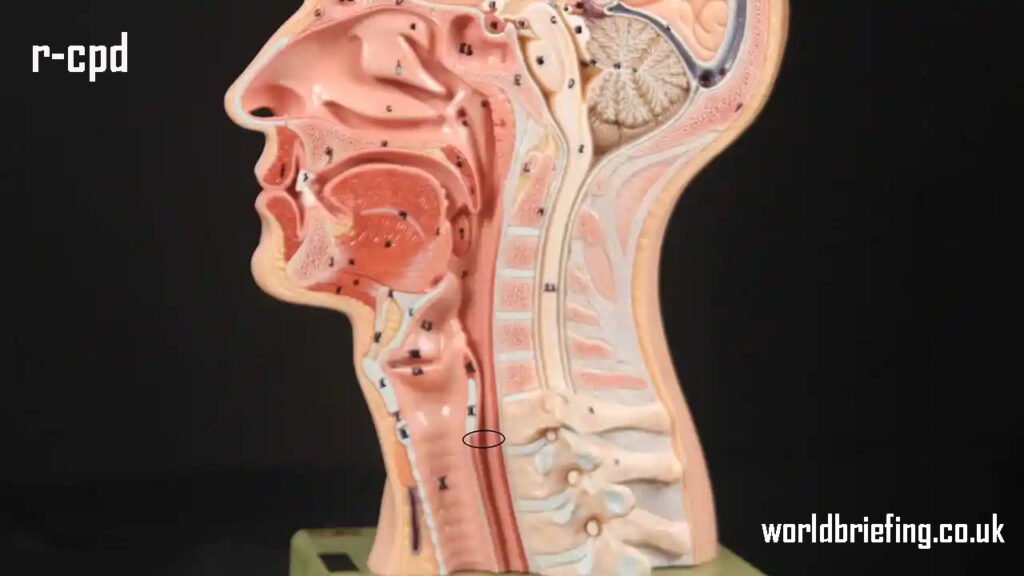
What Is R-CPD?
The term r-cpd stands for Retrograde Cricopharyngeus Dysfunction. It is a medical condition involving the cricopharyngeus muscle, which is part of the upper esophageal sphincter (UES). This muscle plays a crucial role in swallowing and in allowing air to move in and out of the esophagus.
In individuals with r-cpd, the cricopharyngeus muscle does not relax properly in the retrograde direction. This means air cannot escape upward through the esophagus, preventing the person from burping.
Although burping might seem minor, the inability to release trapped air can cause significant discomfort and digestive distress.
The Anatomy Behind R-CPD
To understand r-cpd, it helps to look at how the swallowing system works.
The upper esophageal sphincter (UES) acts as a gateway between the throat and esophagus. It opens to allow food and liquid to pass downward and typically relaxes to let air escape upward.
In healthy individuals:
- Air enters the stomach during eating or drinking.
- The body naturally releases excess air as a burp.
- The cricopharyngeus muscle temporarily relaxes to allow this.
In people with r-cpd, this relaxation does not occur properly. As a result, gas becomes trapped in the stomach and esophagus.
Common Symptoms of R-CPD
The symptoms of r-cpd can significantly affect daily life. Many individuals experience the condition for years before receiving a proper diagnosis.
1. Inability to Burp
The most defining symptom is the lifelong inability to burp.
2. Excessive Bloating
Trapped air leads to noticeable abdominal distension, especially after meals.
3. Gurgling Noises
Patients often describe loud gurgling sounds coming from the throat or chest.
4. Chest Pressure
The buildup of gas may create discomfort or pressure in the upper chest.
5. Social Anxiety
Because of the audible gurgling and discomfort, some individuals develop anxiety in social situations.
The combination of physical and emotional effects makes r-cpd more impactful than it might initially appear.
What Causes R-CPD?
The exact cause of r-cpd is still being studied. However, medical professionals believe it involves abnormal muscle coordination or nerve signaling affecting the upper esophageal sphincter.
Possible contributing factors include:
- Neuromuscular dysfunction
- Muscle hypertonicity (over-tightening)
- Abnormal reflex pathways
- Developmental factors
Unlike acid reflux or gastroesophageal reflux disease (GERD), r-cpd specifically involves retrograde air movement dysfunction rather than acid backflow.
How R-CPD Is Diagnosed
Diagnosing r-cpd can be challenging because it is relatively newly recognized in clinical practice. Many patients are initially misdiagnosed with digestive disorders.
Diagnostic Steps May Include:
- Detailed medical history
- Symptom assessment
- Swallowing studies
- Esophageal manometry
- Flexible endoscopy
Specialists such as otolaryngologists (ENT doctors) and gastroenterologists may collaborate during evaluation.
The key diagnostic indicator is a consistent history of inability to burp combined with typical associated symptoms.
R-CPD vs Other Digestive Disorders
Understanding r-cpd requires distinguishing it from similar conditions.
GERD
GERD involves acid reflux causing heartburn. In contrast, r-cpd is related to air entrapment without acid involvement.
Aerophagia
Aerophagia refers to excessive air swallowing. While it can cause bloating, it does not necessarily prevent burping.
Functional Dyspepsia
This condition causes upper abdominal discomfort but does not specifically involve retrograde sphincter dysfunction.
Correct identification ensures proper treatment.
Treatment Options for R-CPD
The good news is that r-cpd is treatable.
Botulinum Toxin Injection
One of the most common treatments involves injecting botulinum toxin (Botox) into the cricopharyngeus muscle.
How It Works:
- The toxin temporarily relaxes the muscle.
- Air can escape upward.
- Patients often experience their first burp shortly after treatment.
For many individuals, this treatment provides significant relief.
Surgical Intervention
In rare cases, surgical procedures may be considered if less invasive treatments are ineffective.
Speech and Swallow Therapy
Therapeutic exercises may help improve muscle coordination in some patients.
The Role of Botulinum Toxin in R-CPD
Botulinum toxin is widely used in medical treatments beyond cosmetic applications. In r-cpd management, it reduces excessive muscle tightness.
The injection is typically performed under anesthesia and guided by specialized equipment to ensure accuracy.
Many patients report dramatic improvement in:
- Bloating
- Chest pressure
- Social discomfort
Although effects may be temporary, some individuals experience long-lasting benefits even after the toxin wears off.
Recovery After R CPD Treatment
Recovery varies depending on the treatment approach.
After botulinum toxin injection:
- Mild throat discomfort may occur.
- Temporary swallowing changes can happen.
- Gradual improvement in burping ability develops.
Follow-up appointments help monitor progress.
Most patients resume normal activities quickly.
Living with R CPD Before Diagnosis
Many individuals live with r cpd for years without understanding the cause of their symptoms.
Common experiences include:
- Being told symptoms are psychological
- Receiving ineffective digestive medications
- Avoiding carbonated beverages
- Limiting social eating situations
Increased awareness among healthcare providers has improved diagnosis rates in recent years.
Psychological Impact of R-CPD
Although r cpd is a physical condition, it often affects emotional well-being.
Persistent discomfort and social embarrassment can lead to:
- Anxiety
- Reduced confidence
- Avoidance behaviors
Effective treatment often improves both physical and psychological quality of life.
R-CPD in Children and Adults
While most reported cases involve adults, symptoms often begin in childhood.
Parents may notice:
- Unusual gurgling sounds
- Complaints of chest discomfort
- Refusal of carbonated drinks
Early recognition can prevent prolonged discomfort.
Research and Growing Awareness of R-CPD
Medical recognition of r cpd has expanded significantly in the past decade.
Clinical studies continue exploring:
- Long-term treatment outcomes
- Underlying neuromuscular mechanisms
- Optimal injection dosages
- Recurrence rates
As research grows, standardized diagnostic guidelines may become more widely established.
When to See a Doctor About R-CPD
You should consider consulting a healthcare professional if you experience:
- Lifelong inability to burp
- Severe bloating after meals
- Persistent chest pressure
- Frequent gurgling throat noises
A specialist can determine whether r cpd or another condition is responsible.
Frequently Asked Questions About R-CPD
Is r cpd dangerous?
It is generally not life-threatening, but symptoms can significantly affect comfort and quality of life.
Can r cpd resolve on its own?
Spontaneous resolution is rare without treatment.
Is treatment permanent?
Botulinum toxin effects may last months, but some patients experience long-term improvement.
Is r cpd common?
It is likely underdiagnosed rather than extremely rare.
Long-Term Outlook for R-CPD Patients
The prognosis for individuals with r cpd is generally positive with proper treatment.
Many patients experience:
- Relief from bloating
- Ability to burp normally
- Improved digestion comfort
- Reduced social anxiety
Early diagnosis and appropriate therapy improve outcomes.
Final Thoughts on R-CPD
R-cpd, or Retrograde Cricopharyngeus Dysfunction, is a medical condition that prevents the release of air through burping due to dysfunction of the cricopharyngeus muscle. Although once overlooked, it is now increasingly recognized within the medical community.
Understanding this condition is important for both patients and healthcare providers. Symptoms such as chronic bloating, throat gurgling, and chest discomfort should not be dismissed without proper evaluation.
Effective treatments — particularly botulinum toxin injections — offer significant relief for many individuals. As awareness continues to grow, more people can receive accurate diagnoses and life-changing treatment.
If you suspect you may have r cpd, consult a qualified healthcare professional for evaluation and guidance. Knowledge and proper medical care are key to improving quality of life.
