

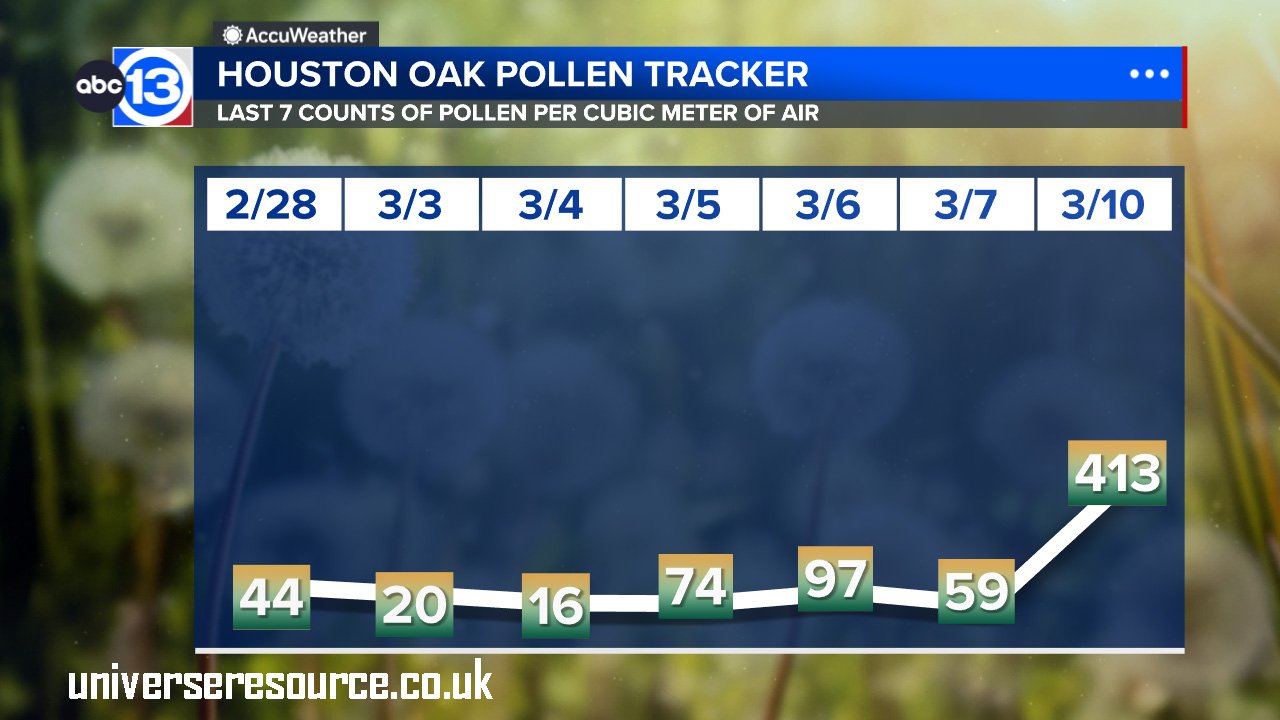
Houston is one of the largest and most environmentally diverse cities in the United States. With its warm climate, lush vegetation, and long growing seasons, the city offers greenery year-round. However, this same environment also makes Houston a hotspot for airborne allergens. For many residents, monitoring the pollen count Houston reports is not just a casual habit—it is a daily necessity for maintaining health and comfort.
This article provides an in-depth look at pollen levels in Houston, how they affect daily life, what causes seasonal fluctuations, and how individuals can protect themselves. Whether you are a long-time resident or new to the area, understanding pollen exposure can significantly improve your quality of life.
What Is Pollen and Why It Matters
Pollen consists of microscopic grains released by trees, grasses, and weeds as part of their reproductive cycle. While pollen is essential for plant fertilization, it can cause allergic reactions in humans when inhaled.
When pollen enters the respiratory system, the immune system of sensitive individuals may mistakenly identify it as a harmful substance. This triggers the release of histamines, leading to symptoms such as sneezing, itchy eyes, congestion, and fatigue.
In a city like Houston, where vegetation thrives almost year-round, pollen exposure can be more persistent than in many other regions.
Why Houston Has High Pollen Levels
Houston’s geography and climate play a major role in its pollen patterns. Several factors contribute to elevated allergen levels throughout the year:
- Warm temperatures that allow plants to bloom early and for extended periods
- High humidity, which helps plants grow rapidly
- Abundant rainfall, encouraging dense vegetation
- Urban landscaping, including ornamental trees and grasses
- Wind patterns that spread pollen over wide areas
These conditions combine to make pollen a near-constant presence in the Houston area.
Pollen Count Houston: Understanding the Measurement System
The pollen count Houston reports typically measure the number of pollen grains per cubic meter of air over a 24-hour period. These counts are then categorized into ranges such as low, moderate, high, or very high.
Common Pollen Categories
- Low: Minimal symptoms for most people
- Moderate: Mild symptoms for sensitive individuals
- High: Noticeable symptoms for allergy sufferers
- Very High: Severe symptoms likely for many people
These measurements help residents plan outdoor activities and manage allergy symptoms more effectively.
Seasonal Pollen Patterns in Houston
One of the most important aspects of allergy management is understanding how pollen levels change throughout the year.
Tree Pollen Season and Pollen Count Houston
Tree pollen is usually the first major allergen of the year in Houston. Unlike colder regions, Houston’s tree pollen season can begin as early as January.
Common Tree Pollens in Houston
- Oak
- Cedar
- Pine
- Ash
- Elm
Oak pollen, in particular, is one of the most significant contributors to high pollen levels in spring. During peak tree pollen season, allergy symptoms can become intense, especially on windy days.
Grass Pollen and Pollen Count Houston in Late Spring
As tree pollen levels begin to decline, grass pollen takes center stage. This typically occurs from late spring through early summer.
Grass Types Common in Houston
- Bermuda grass
- Timothy grass
- Johnson grass
Grass pollen is especially troublesome for people who enjoy outdoor activities such as gardening, sports, or walking. Lawnmowing can significantly increase pollen exposure, making symptoms worse for sensitive individuals.
Weed Pollen and Pollen Count Houston in Fall
Weed pollen becomes more dominant in late summer and fall. In Houston, warm temperatures can prolong the weed pollen season well into autumn.
Notable Weed Pollens
- Ragweed
- Pigweed
- Lamb’s quarters
- Sagebrush
Ragweed is particularly notorious for causing seasonal allergies. Even small amounts can trigger strong reactions in sensitive individuals.
Mold Spores: An Overlooked Factor
While pollen often receives the most attention, mold spores are another significant allergen in Houston. Due to high humidity and frequent rain, mold can thrive both indoors and outdoors.
Mold spores can be present year-round, but they often spike after storms or during periods of high moisture. For some individuals, mold allergies can be just as severe as pollen-related reactions.
How High Pollen Levels Affect Daily Life
Elevated pollen levels can influence more than just physical comfort. They can impact productivity, sleep quality, and overall well-being.
Common Allergy Symptoms
- Sneezing and runny nose
- Nasal congestion
- Itchy or watery eyes
- Sore throat
- Headaches
- Fatigue
For people with asthma, high pollen exposure can also trigger breathing difficulties and asthma attacks.
Pollen Count Houston and Outdoor Activities
Houston’s outdoor lifestyle can be challenging during peak pollen seasons. Activities such as jogging, cycling, and attending outdoor pollen count houston events may need to be adjusted based on daily pollen reports.
Tips for Outdoor Planning
- Check pollen levels before going outside
- Schedule activities later in the day when pollen may be lower
- Wear sunglasses to protect eyes
- Shower after outdoor exposure
Being proactive can help minimize discomfort while still enjoying the outdoors.
Indoor Air Quality and Pollen Exposure
Many people assume pollen is only an outdoor problem, but pollen can easily enter indoor spaces through open windows, doors, clothing, and pets.
Improving Indoor Air Quality
- Keep windows closed during high pollen days
- Use high-efficiency air filters
- Clean floors and surfaces regularly
- Remove shoes at the door
- Bathe pets frequently
Reducing indoor pollen exposure can significantly improve allergy symptoms.
Pollen Count Houston and Long-Term Health
Chronic exposure to high pollen levels can have cumulative effects, especially for individuals with untreated allergies. pollen count houston Over time, persistent inflammation may contribute to:
- Chronic sinus infections
- Sleep disturbances
- Reduced lung function
- Increased asthma sensitivity
Managing allergies early and consistently is important for long-term respiratory health.
Medical Approaches to Managing Pollen Allergies
While lifestyle adjustments are helpful, medical treatment may be necessary for moderate to severe allergies.
Common Treatment Options
- Antihistamines
- Nasal corticosteroids
- Decongestants
- Allergy eye drops
- Immunotherapy (allergy shots or tablets)
Consulting a healthcare professional can help determine the most effective approach based on individual symptoms.
Natural and Lifestyle Strategies for Allergy Relief
Some people prefer complementary methods to reduce allergy symptoms alongside medical treatment.
Helpful Lifestyle Changes
- Maintain a healthy immune system
- Stay hydrated
- Rinse nasal passages with saline
- Eat anti-inflammatory foods
- Reduce outdoor exposure during peak pollen hours
While these strategies may not eliminate symptoms entirely, they can provide additional relief.
Pollen Count Houston and Climate Change
Climate trends are influencing pollen patterns worldwide, and Houston is no exception. Warmer temperatures and increased carbon dioxide levels can cause plants to produce more pollen for longer periods.
As a result, allergy seasons may become more intense and prolonged in the future. This makes awareness and preparation increasingly important for Houston residents.
How to Stay Informed About Pollen Levels
Staying updated on pollen conditions allows individuals to take preventive pollen count houston measures before symptoms worsen.
Reliable Information Sources
- Local weather forecasts
- Allergy tracking apps
- Health organization updates
- Environmental monitoring services
Checking daily reports can help you plan your schedule and manage exposure more effectively.
Living Comfortably Despite High Pollen Levels
While Houston’s pollen levels can be challenging, they do not have to control your life. With the right combination of awareness, planning, and treatment, most people can significantly reduce allergy-related discomfort.
Understanding seasonal patterns, improving indoor air quality, and staying informed about daily conditions all contribute to better allergy management.
Conclusion
The pollen count Houston residents experience is influenced by climate, geography, and vegetation unique to the region. From tree pollen in early spring to weed pollen in fall, allergens are a year-round concern for many people.
By learning how pollen levels change, recognizing symptoms early, and taking preventive steps, individuals can protect their health and enjoy life in Houston more comfortably. Whether through lifestyle changes, medical treatment, or simply staying informed, managing pollen exposure is an achievable goal—even in a city known for high allergen levels.
