

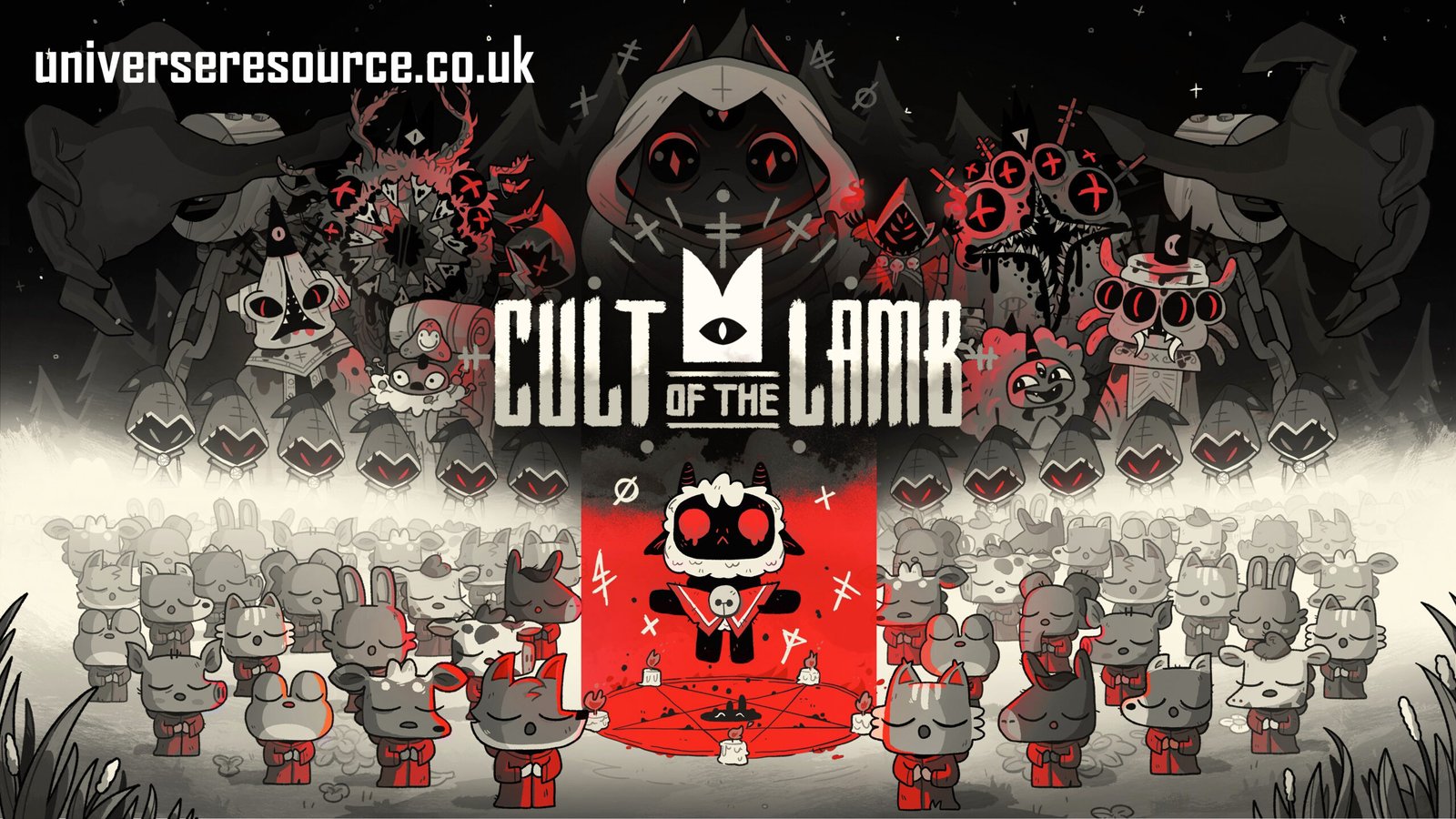
Few indie games in recent years have generated as much curiosity and buzz as Cult of the Lamb. Blending roguelike dungeon crawling with cult-management simulation, the game offers an experience that feels both unsettling and irresistibly charming. In this comprehensive cult of the lamb review, we’ll explore its gameplay systems, art direction, combat mechanics, narrative depth, replay value, and overall impact on the indie gaming landscape.
Developed by Massive Monster and published by Devolver Digital, Cult of the Lamb stands out for its bold concept: you play as a possessed lamb resurrected by a mysterious deity and tasked with building a loyal cult in its name. Cute animals, sinister rituals, and addictive gameplay loops combine into one of the most unique indie titles of the decade.
Let’s dive into this in-depth analysis.
Cult of the Lamb Review: Story and Premise
At the heart of this cult of the lamb review is the game’s narrative foundation. You begin as a sacrificial lamb executed by a group of sinister bishops who rule different regions of the land. Moments after your death, a chained, shadowy entity known as The One Who Waits revives you. In exchange for your freedom, you must form a cult devoted to this dark being.
This premise sets the tone immediately. The game walks a fine line between horror and humor. While the story features themes of sacrifice, indoctrination, and corruption, it never loses its whimsical aesthetic. The combination of adorable woodland creatures and unsettling rituals creates a memorable contrast.
Each region of the world is controlled by a bishop with a distinct personality and thematic style. As you defeat these leaders, you slowly uncover more about the mysterious deity that saved you. Though the story is not overly complex, it provides enough intrigue to keep players engaged throughout the campaign.
Cult of the Lamb Review: Gameplay Overview
A proper cult of the lamb review must address the dual gameplay structure that defines the experience. The game alternates between two main loops:
- Roguelike dungeon crawling
- Cult management simulation
This hybrid system is what makes the game so compelling.
Roguelike Exploration
When venturing outside your cult’s base, you enter procedurally generated dungeons filled with enemies, loot, tarot cards (temporary buffs), and boss encounters. Combat is fast-paced and accessible. Players can wield various weapons such as swords, axes, daggers, and gauntlets, along with curses that function like magical abilities.
Each run feels slightly different thanks to randomized layouts and upgrades. Though not as mechanically deep as some hardcore roguelikes, the combat remains satisfying and challenging without becoming overwhelming.
Cult Management
Back at your cult’s compound, the gameplay shifts dramatically. You must:
- Recruit followers
- Build structures
- Gather resources
- Perform sermons
- Conduct rituals
- Maintain faith levels
Balancing your followers’ needs becomes increasingly important. If faith drops too low, dissenters may appear, threatening your authority. Managing food, cleanliness, and morale creates a surprisingly strategic layer beneath the cute surface.
Cult of the Lamb Review: Combat Mechanics
Combat plays a central role in progression, and in this cult of the lamb review, it deserves detailed attention.
The controls are responsive and intuitive. Light attacks chain into fluid combos, while dodge rolls allow players to avoid incoming damage. Curses add ranged or area-of-effect attacks, encouraging tactical variety.
However, combat depth depends heavily on randomized weapon drops. Some weapons feel significantly stronger than others, occasionally leading to uneven runs. Still, the learning curve is manageable, making the game accessible to both newcomers and experienced players.
Boss battles are standout moments. Each bishop encounter features unique attack patterns and visually impressive transformations. These fights require patience and observation rather than button-mashing.
While the combat system isn’t revolutionary, it’s polished enough to support the broader gameplay experience.
Cult of the Lamb Review: Cult Management Depth
One of the most fascinating aspects highlighted in this cult of the lamb review is the cult management system.
Followers are not just passive NPCs. Each one has:
- Unique names
- Individual traits
- Loyalty levels
- Personal quirks
Some may work faster, while others are more prone to illness or dissent. You must assign jobs, construct shelters, and provide meals to keep them productive.
Rituals add another strategic dimension. You can perform ceremonies to:
- Increase faith
- Sacrifice a follower
- Marry a cult member
- Brainwash the group
- Ascend elderly members
Each choice has consequences. Sacrificing followers may boost loyalty but also increase fear. Decisions feel meaningful, encouraging thoughtful leadership.
This simulation aspect is surprisingly deep and becomes more engaging as your cult expands.
Cult of the Lamb Review: Visual Style and Art Direction
Visually, the game is stunning. The art style blends pastel colors with dark undertones. Character designs are cartoonish yet expressive, making even sinister moments feel oddly charming.
Environments range from eerie forests to fungal caverns and icy tundras. Each region has a distinct aesthetic identity. Animations are fluid, particularly during rituals and boss encounters.
The contrast between cute character models and grim subject matter creates a memorable identity that sets the game apart from other indie roguelikes.
Cult of the Lamb Review: Sound Design and Music
No cult of the lamb review would be complete without mentioning the atmospheric soundtrack.
The music shifts seamlessly between calm village tunes and tense dungeon themes. Ambient sounds enhance immersion, from chanting followers to eerie background whispers.
Sound effects are satisfying without being overwhelming. Combat strikes feel impactful, and ritual ceremonies carry an unsettling weight through audio design.
Overall, the soundscape complements the visual tone perfectly.
Cult of the Lamb Review: Difficulty and Accessibility
The game offers adjustable difficulty settings, making it accessible to a wide audience.
On easier settings:
- Enemies deal less damage
- Resources are easier to obtain
- Faith drains more slowly
Higher difficulties increase enemy aggression and management pressure. This flexibility allows players to tailor the experience to their preference.
The balanced difficulty curve ensures newcomers won’t feel discouraged while still offering enough challenge for seasoned players.
Cult of the Lamb Review: Replay Value
Replayability is a key component of any roguelike, and in this cult of the lamb review, it stands out as a strength.
Procedural dungeon layouts keep combat sections fresh. Additionally:
- Different doctrine paths alter gameplay
- Ritual choices impact cult behavior
- Weapon randomness changes strategy
- Post-launch updates add new content
While the core story can be completed in roughly 12–15 hours, maximizing upgrades and exploring all systems extends playtime significantly.
Cult of the Lamb Review: Performance and Technical Stability
At launch, some players reported performance hiccups on certain platforms. However, ongoing patches and updates have improved stability considerably.
Frame rates are generally smooth, and loading times are minimal. The user interface is intuitive, though managing large cults can occasionally feel slightly cluttered.
Overall, technical performance does not detract significantly from the experience.
Cult of the Lamb Review: Strengths
This cult of the lamb review highlights several standout strengths:
Unique Concept
Few games successfully combine cult simulation and roguelike action so seamlessly.
Memorable Art Style
The blend of cute and macabre is visually captivating.
Engaging Management System
Followers feel alive and meaningful.
Addictive Gameplay Loop
Switching between dungeon crawling and base building prevents monotony.
Strong Indie Identity
The game embraces creativity without compromise.
Cult of the Lamb Review: Weaknesses
No review is complete without addressing limitations.
Combat Simplicity
While fun, combat lacks the depth of more complex roguelikes.
Repetitive Dungeon Rooms
Procedural generation can occasionally feel predictable.
Mid-Game Pacing
The management side may slow momentum if resource gathering becomes grind-heavy.
Despite these minor issues, the strengths far outweigh the weaknesses.
Cult of the Lamb Review: Community Reception
The game received widespread praise from critics and players alike. Its originality and execution helped it stand out in a crowded indie market.
Fans appreciate:
- The humor
- The freedom of choice
- The consistent updates
- The distinct personality
Online communities remain active, sharing cult stories, strategy guides, and creative screenshots.
Cult of the Lamb Review: Post-Launch Support
One of the most positive aspects of this cult of the lamb review is the ongoing support provided after release.
Developers have introduced:
- New story content
- Additional relics
- Expanded endgame features
- Quality-of-life improvements
This continued development enhances replay value and shows strong commitment from the studio.
Cult of the Lamb Review: Is It Worth Playing?
If you enjoy games that blend action with strategic management, the answer is yes.
The game appeals to players who like:
- Indie creativity
- Stylized visuals
- Light roguelike mechanics
- Simulation systems
- Dark humor
It may not satisfy those seeking ultra-deep combat complexity, but its overall package is highly polished and distinctive.
Final Verdict in This Cult of the Lamb Review
In conclusion, this cult of the lamb review finds that the game successfully merges two seemingly incompatible genres into a cohesive and entertaining experience. It delivers a compelling gameplay loop, a charming yet sinister aesthetic, and meaningful player choice.
While combat depth could be expanded, the cult management system and artistic identity more than compensate. The result is an indie title that feels bold, memorable, and refreshingly original.
Whether you’re drawn in by the adorable lamb protagonist or intrigued by the darker undertones, the experience leaves a lasting impression. Few games manage to be this strange, charming, and engaging all at once.
For players seeking something outside the conventional gaming formula, Cult of the Lamb stands as one of the most distinctive indie releases in recent years.
