

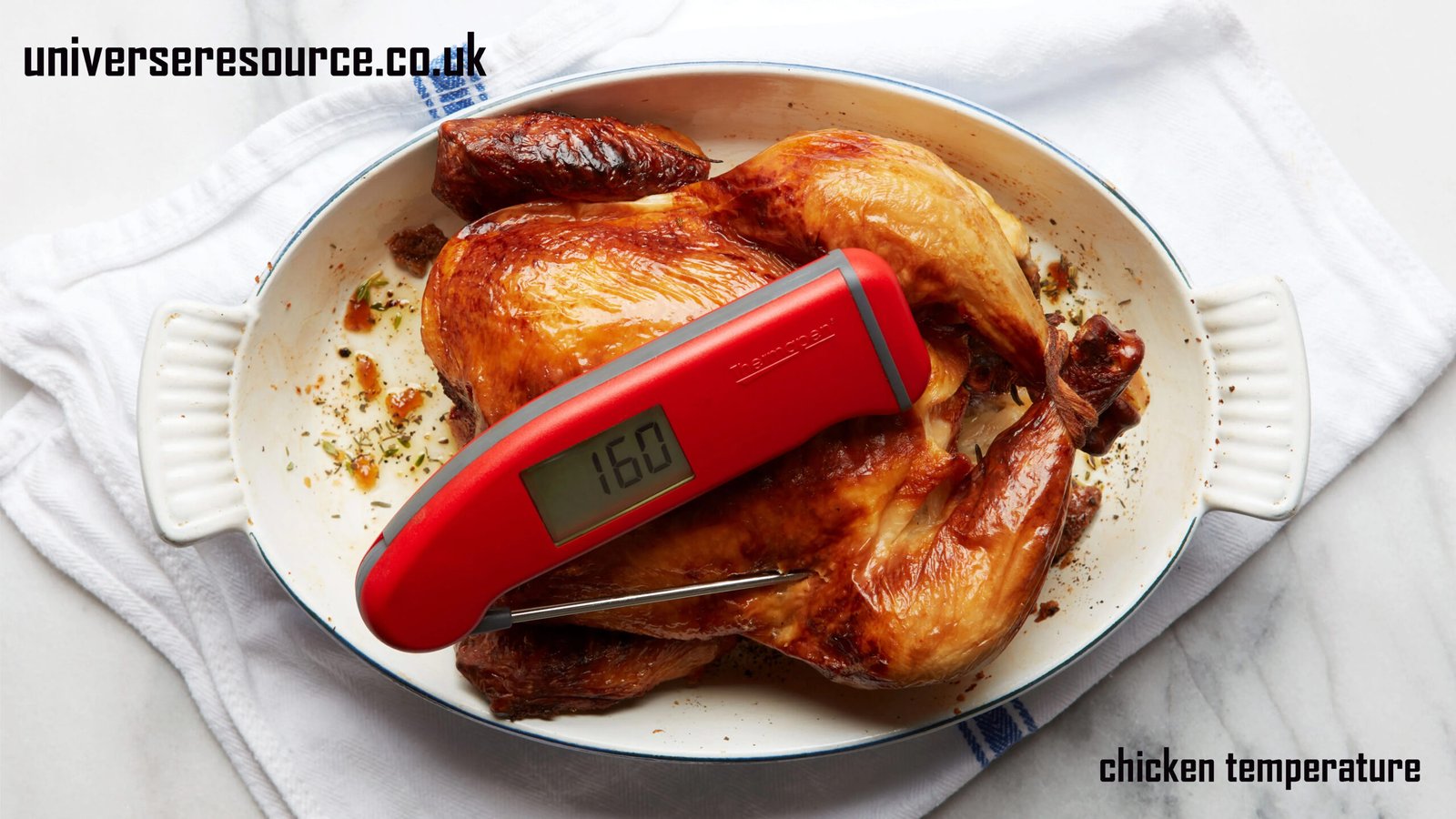
Chicken is one of the most widely consumed proteins in the world. It is versatile, affordable, and adaptable to countless cuisines and cooking styles. However, cooking chicken properly is not just about flavor—it is also about safety. Understanding chicken temperature is essential for preventing foodborne illness while ensuring the meat remains juicy, tender, and enjoyable.
Many home cooks rely on visual cues such as color or cooking time, but these methods are unreliable. Temperature is the only accurate way to determine whether chicken is fully cooked and safe to eat. In this in-depth guide, we explore everything you need to know about cooking chicken to the correct internal temperature, including safety standards, cooking methods, common mistakes, and practical tips.
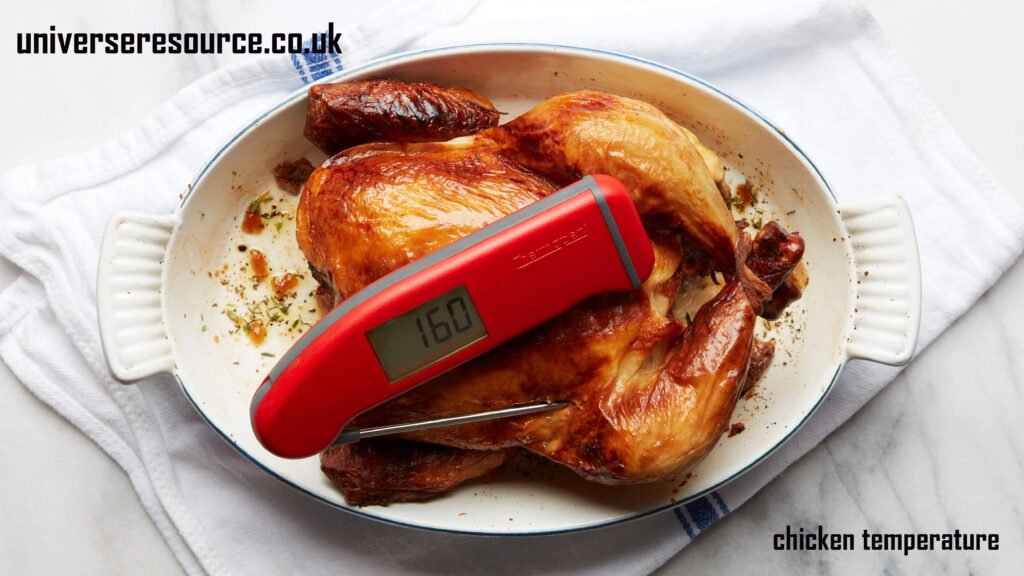
Why Chicken Temperature Matters for Food Safety
Chicken Temperature can carry harmful bacteria such as Salmonella and Campylobacter. These microorganisms are not visible and do not always affect the smell or appearance of raw meat. If chicken is undercooked, these bacteria can survive and cause serious illness.
Cooking chicken to the proper internal temperature eliminates these risks. Heat destroys harmful pathogens, making the food safe for consumption. This is why food safety organizations emphasize temperature over appearance or cooking duration.
Understanding proper temperature guidelines is not about overcooking—it is about achieving safety without sacrificing quality.
Chicken Temperature Guidelines Recommended by Food Safety Authorities
Food safety agencies around the world agree on one core rule: chicken must reach a minimum internal temperature of 165°F (74°C) to be considered safe to eat. This standard applies to:
- Whole chicken
- Chicken breasts
- Thighs and drumsticks
- Ground chicken
- Stuffed chicken dishes
The temperature must be measured at the thickest part of the meat and held briefly to ensure bacterial destruction.
While some cooking techniques allow for slightly lower temperatures with resting time, 165°F remains the safest and most widely recommended benchmark for home cooking.
Chicken Temperature and the Science of Cooking
Cooking chicken is both a culinary and scientific process. As the internal temperature rises, proteins denature and moisture redistributes within the meat.
At lower temperatures, chicken remains tender but may be unsafe. At higher temperatures, safety is ensured, but moisture loss increases. The goal is to find the balance where safety and quality meet.
Understanding this balance allows cooks to achieve juicy results while still meeting health standards.
Chicken Temperature for Different Cuts of Meat
Not all chicken cuts behave the same during cooking. Fat content, muscle structure, and thickness all affect how heat travels through the meat.
Chicken Breast
Chicken breast is lean and prone to drying out. While it must still reach a safe internal temperature, careful cooking and resting help preserve moisture.
Many chefs remove chicken breast from heat just as it reaches the recommended temperature, allowing carryover heat to finish the process.
Chicken Thighs and Drumsticks
Dark meat contains more fat and connective tissue. These cuts often benefit from slightly higher cooking temperatures, which break down collagen and enhance tenderness.
Although safe at standard guidelines, thighs often taste better when cooked beyond the minimum threshold.
Whole Chicken
Cooking a whole bird requires attention to multiple areas. The thickest part of the breast and the innermost part of the thigh should both be checked to ensure even cooking.
Chicken Temperature and Cooking Methods
Different cooking methods affect how heat is transferred to the meat. Understanding these differences helps avoid undercooking or overcooking.
Roasting and Baking
Oven cooking provides steady, even heat. However, surface browning can occur before the interior is fully cooked, making temperature checks essential.
Grilling
Grilling exposes chicken to direct heat, increasing the risk of uneven cooking. Thicker cuts benefit from indirect heat after searing.
Pan-Frying
Pan-frying cooks chicken quickly on the outside. Thinner cuts work best, and internal temperature should be checked frequently.
Boiling and Poaching
These methods cook chicken evenly and are forgiving, but overcooking can still lead to dryness if not monitored.
Chicken Temperature and the Importance of a Meat Thermometer
A meat thermometer is the most reliable tool for ensuring properly cooked chicken. Visual cues, such as clear juices or white meat, are not accurate indicators of doneness.
Digital thermometers provide fast, precise readings and are easy to use. Inserting the thermometer into the thickest part of the meat, without touching bone, gives the most accurate result.
For anyone who cooks chicken regularly, a thermometer is not optional—it is essential.
Common Myths About Chicken Temperature
Despite widespread information, several myths persist that can lead to unsafe cooking practices.
Myth: If It’s Not Pink, It’s Done
Color is not a reliable indicator. Chicken can appear fully cooked while still being under temperature.
Myth: Cooking Time Guarantees Safety
Cooking time varies depending on thickness, starting temperature, and equipment. Only temperature confirms doneness.
Myth: Resting Is Optional
Resting allows juices to redistribute and helps maintain texture. Skipping this step can result in dry meat.
Understanding these myths helps prevent mistakes that compromise safety or quality.
Chicken Temperature and Resting Time
Resting chicken after cooking is just as important as reaching the correct temperature. When chicken is removed from heat, internal temperature may continue to rise slightly, a phenomenon known as carryover cooking.
Resting also allows muscle fibers to relax, preventing juices from escaping when the meat is cut. Even a short resting period can significantly improve texture and flavor.
Chicken Temperature in Professional Kitchens vs Home Cooking
Professional kitchens often use advanced techniques, such as sous vide, which allow chicken to be cooked at lower temperatures for extended periods. These methods rely on precise time and temperature control to ensure safety.
Home cooking, however, typically lacks this level of precision. For this reason, standard temperature guidelines provide a margin of safety suitable for everyday kitchens.
Understanding the difference helps home cooks avoid unsafe experimentation.
Chicken Temperature and Meal Preparation
When cooking chicken for meal prep, temperature becomes even more critical. Improperly cooked or stored chicken can become unsafe over time.
Key practices include:
- Cooking chicken fully before storage
- Cooling it quickly
- Refrigerating promptly
- Reheating to a safe temperature
Using proper temperature control ensures meals remain safe throughout the week.
Chicken Temperature for Ground and Stuffed Chicken
Ground chicken requires special attention because bacteria can be mixed throughout the meat. Unlike whole cuts, it must be thoroughly cooked all the way through.
Stuffed chicken dishes are also higher risk. The stuffing itself must reach a safe temperature, as it can absorb juices from raw meat.
These dishes should always be checked carefully before serving.
Chicken Temperature and Global Cooking Traditions
Different cultures prepare chicken in diverse ways, from slow braises to high-heat grilling. Despite these differences, food safety principles remain universal.
Many traditional recipes rely on long cooking times, which naturally ensure safety. Modern adaptations, however, may use faster methods that require careful monitoring.
Understanding temperature standards allows cooks to adapt global recipes safely.
Chicken Temperature and Texture Preferences
While safety guidelines are universal, texture preferences vary. Some people prefer very tender chicken, while others enjoy firmer textures.
Dark meat can handle higher temperatures without drying out, while white meat benefits from careful monitoring.
Knowing how temperature affects texture allows cooks to tailor results to personal taste while staying safe.
Chicken Temperature in Leftovers and Reheating
Reheating chicken requires attention to temperature as well. Leftovers should be reheated evenly to avoid cold spots where bacteria can survive.
Using a thermometer during reheating ensures the food reaches a safe level without becoming overcooked.
Proper storage and reheating practices are just as important as initial cooking.
The Role of Marinades and Brines
Marinades and brines can improve flavor and moisture retention, but they do not make undercooked chicken safe. Temperature standards still apply.
Brined chicken may appear juicier and more tender, but it must still reach the recommended internal temperature before consumption.
Flavor techniques complement safety—they do not replace it.
Chicken Temperature and Health Considerations
Foodborne illness affects millions of people each year. Proper cooking practices significantly reduce this risk.
Children, older adults, pregnant individuals, and those with weakened immune systems are especially vulnerable. For these groups, strict adherence to temperature guidelines is critical.
Safe cooking protects not only individual health but public health as well.
Teaching Chicken Temperature to New Cooks
For beginners, cooking chicken can be intimidating. Teaching temperature-based cooking builds confidence and consistency.
Simple habits such as using a thermometer and checking multiple spots can transform the cooking experience from guesswork into reliable practice.
These skills last a lifetime and improve overall kitchen competence.
Chicken Temperature and Sustainability
Reducing food waste is an important sustainability goal. Overcooked chicken often ends up discarded due to poor texture.
By understanding temperature control, cooks can avoid unnecessary overcooking, preserving both quality and resources.
Efficient cooking benefits both the environment and the household budget.
The Future of Temperature-Controlled Cooking
Modern kitchen technology continues to evolve. Smart thermometers, app-connected devices, and precision cookers are making temperature control easier than ever.
These tools empower home cooks to achieve professional-level results with minimal risk.
As technology becomes more accessible, temperature-based cooking is likely to become standard practice.
Conclusion: Why Understanding Chicken Temperature Is Essential
Mastering chicken temperature is one of the most important skills in cooking. It ensures food safety, improves texture, enhances flavor, and builds confidence in the kitchen.
Rather than relying on guesswork, using temperature as a guide transforms cooking into a precise and reliable process. Whether preparing a simple weeknight meal or an elaborate dish, understanding internal temperature leads to better outcomes every time.
By adopting temperature-focused habits, cooks can enjoy chicken that is not only safe but consistently delicious.
