

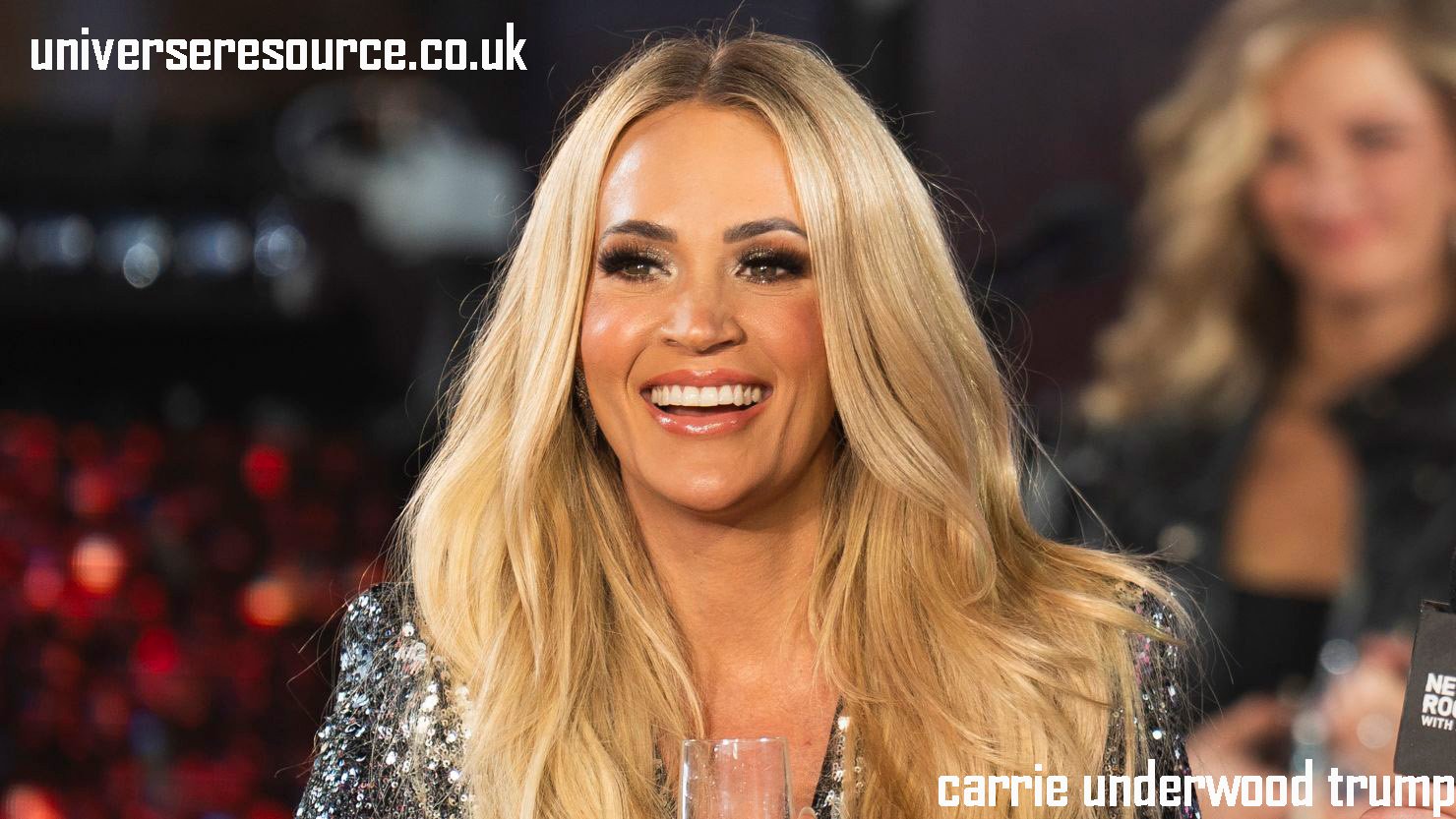
The phrase carrie underwood trump frequently appears in online discussions, entertainment headlines, and political commentary. In today’s media landscape, celebrities often become part of political conversations whether they actively participate or not. Country music superstar Carrie Underwood and former U.S. President Donald Trump represent two highly recognizable public figures whose names occasionally intersect through public speculation, fan debates, and media interpretation.
Understanding this topic requires exploring celebrity culture, political discourse, media framing, fan reactions, and the evolving relationship between entertainment and public opinion in the United States.
Who Is Carrie Underwood?
Carrie Underwood Trump: Before examining discussions surrounding carrie underwood trump, it is important to understand Carrie Underwood’s background and public identity.
Carrie Underwood rose to international fame after winning American Idol in 2005. Her powerful vocals, relatable personality, and strong work ethic quickly transformed her into one of country music’s biggest stars.
Career Highlights
Over the years, Underwood has achieved remarkable milestones:
- Multiple Grammy Awards
- Platinum-selling albums
- Record-breaking country music tours
- Successful crossover into mainstream pop audiences
Albums such as Some Hearts and Cry Pretty established her as a defining voice in modern country music.
Her public image has largely centered on music, family life, and faith rather than political activism.
Donald Trump and Celebrity Culture
Donald Trump has long maintained a unique relationship with entertainment culture. Before entering politics, Trump was already a media personality known for business ventures and reality television appearances, including The Apprentice.
During and after his presidency, many celebrities publicly supported or criticized his policies, turning entertainment figures into political commentators and symbols of broader cultural debates.
Why the Phrase “Carrie Underwood Trump” Trends Online
Carrie Underwood Trump: The phrase often trends for several reasons that do not always involve direct political statements.
1. Public Curiosity About Celebrity Views
Carrie Underwood Trump: Fans frequently search for the political opinions of well-known entertainers. Because Carrie Underwood generally avoids strong partisan messaging, speculation naturally fills the information gap.
Online discussions sometimes attempt to categorize celebrities politically even when they have not openly aligned with a political movement.
2. Social Media Amplification
Carrie Underwood Trump: Platforms such as Twitter, TikTok, and Instagram allow rumors or interpretations to spread rapidly. A single comment, performance appearance, or association can generate widespread debate.
In many cases, viral discussions surrounding carrie underwood trump originate from:
- Misinterpreted interviews
- Fan speculation
- Political commentary videos
- Opinion-based articles
Social media algorithms amplify trending topics regardless of factual context.
3. Celebrity Neutrality in a Polarized Era
Carrie Underwood Trump: Unlike some musicians who openly endorse candidates, Carrie Underwood has typically emphasized unity and respect among fans with different viewpoints.
Her approach reflects a broader trend among country artists seeking to maintain diverse audiences across political backgrounds.
Carrie Underwood’s Public Statements About Politics
Carrie Underwood Trump: Throughout her career, Carrie Underwood has been relatively cautious when discussing political issues publicly.
In interviews, she has suggested that:
- Music should bring people together
- Fans come from many backgrounds
- Public division can overshadow shared experiences
Rather than campaigning for specific politicians, Underwood has focused on charitable work, education initiatives, and humanitarian causes.
This neutrality contributes to ongoing speculation connected to the carrie underwood trump topic.
Country Music and Political Identity
Understanding the discussion also requires examining country music’s cultural context.
Country music audiences historically include listeners from rural and suburban regions across the United States. Because political identities often intersect with cultural traditions, artists within the genre sometimes face assumptions about their personal beliefs.
Famous country figures such as Dolly Parton and Garth Brooks have similarly chosen neutral public positions despite intense political curiosity.
This pattern shows that celebrity silence does not necessarily indicate political alignment.
Media Narratives and Celebrity Politics
Modern media coverage frequently merges entertainment and political reporting. Headlines linking celebrities to political figures often attract strong audience engagement.
Media scholars note several reasons for this phenomenon:
- Celebrity influence shapes public conversation
- Political news gains broader reach through entertainment coverage
- Fans feel personally connected to entertainers
The pairing of Carrie Underwood and Donald Trump in online searches often reflects media framing rather than direct interaction.
Fan Reactions and Online Debate
One of the most fascinating aspects of the carrie underwood trump discussion is the diversity of fan reactions.
Supportive Fans
Some fans prefer artists who avoid political conflict, appreciating Underwood’s focus on music and positivity.
Politically Engaged Fans
Others actively seek confirmation of celebrity political views, believing public figures should express clear positions.
Neutral Observers
Many listeners simply enjoy the music regardless of political speculation.
These varied responses highlight how celebrity culture mirrors broader social conversations.
The Challenge of Celebrity Neutrality
Maintaining neutrality has become increasingly difficult in an era of constant online commentary.
Artists who avoid politics may still face:
- Assumptions about personal beliefs
- Pressure to speak on national issues
- Social media criticism from multiple sides
Carrie Underwood’s approach illustrates how entertainers attempt to balance artistic identity with public expectations.
Comparing Carrie Underwood With Other Artists
Several musicians have navigated political conversations differently.
For example:
- Taylor Swift eventually began speaking openly about political issues after years of neutrality.
- Jason Aldean has occasionally been associated with political debates through cultural commentary.
These contrasting approaches show there is no single path for artists engaging with politics.
Celebrity Influence on Public Opinion
Research shows celebrities can influence public awareness, particularly among younger audiences.
However, influence varies widely depending on:
- Authenticity
- Audience trust
- Consistency of messaging
- Cultural relevance
Carrie Underwood’s influence largely stems from her musical achievements rather than political advocacy.
Music, Identity, and Audience Connection
Fans often form emotional bonds with artists through songs rather than political beliefs.
Hits like Before He Cheats and Jesus, Take the Wheel resonate because they address universal themes:
- Heartbreak
- Faith
- Strength
- Personal growth
These themes transcend political divisions, helping explain why Underwood maintains broad popularity.
Social Media Rumors and Misinformation
The internet environment allows incomplete or inaccurate claims to spread quickly.
Common factors include:
- Edited video clips lacking context
- Opinion posts presented as facts
- Viral hashtags encouraging speculation
Media literacy experts encourage audiences to rely on verified interviews and official statements when evaluating celebrity positions.
The Role of Privacy in Celebrity Life
Even highly visible entertainers maintain personal boundaries. Not every public figure chooses to discuss political preferences openly.
Privacy allows artists to:
- Protect family life
- Avoid polarizing debates
- Keep focus on creative work
Carrie Underwood’s limited political commentary demonstrates how celebrities sometimes separate personal views from professional identity.
Entertainment Industry Expectations
Hollywood and the music industry increasingly intersect with social activism. Some entertainers actively campaign for causes, while others prefer artistic expression without political branding.
Both approaches remain valid career strategies depending on an artist’s goals and audience expectations.
Cultural Polarization and Public Figures
The widespread interest in carrie underwood trump discussions reflects broader cultural polarization in modern society.
Public figures often become symbolic representations of larger political conversations even without direct involvement.
This phenomenon highlights how:
- Politics influences entertainment discourse
- Fans project beliefs onto celebrities
- Media narratives shape perception
Charity Work and Public Image
Carrie Underwood’s public efforts have focused heavily on philanthropy rather than politics.
Her initiatives include:
- Disaster relief support
- Animal welfare advocacy
- Educational donations
- Community outreach programs
These actions contribute to a reputation centered on compassion and service rather than political alignment.
Lessons From the Carrie Underwood Trump Discussion
The ongoing interest surrounding this topic reveals several broader lessons about modern culture:
- Celebrity neutrality can generate as much attention as activism.
- Online discussions do not always reflect verified information.
- Fans increasingly expect transparency from public figures.
- Entertainment and politics are deeply interconnected in digital media.
Future Outlook for Celebrity Political Conversations
As social media continues evolving, public curiosity about celebrity beliefs will likely increase. Artists may face growing pressure to address political issues directly.
At the same time, many entertainers may continue choosing unity-focused messaging to maintain inclusive audiences.
Carrie Underwood’s career suggests that long-term success can still be achieved through artistic excellence and broad appeal rather than political positioning.
Conclusion
The phrase carrie underwood trump represents more than a simple connection between a singer and a political figure. It reflects the modern intersection of celebrity culture, media dynamics, public curiosity, and political conversation.
Carrie Underwood remains primarily known for her music, performances, and philanthropic work, while Donald Trump continues to influence political discourse across the United States. The overlap between their names largely stems from public speculation rather than direct political collaboration.
Ultimately, the discussion highlights how audiences interpret celebrities within broader social debates. In an era defined by rapid information sharing and strong public opinions, understanding context becomes essential. By focusing on verified information and respectful dialogue, fans and observers alike can better navigate the complex relationship between entertainment and politics.
