

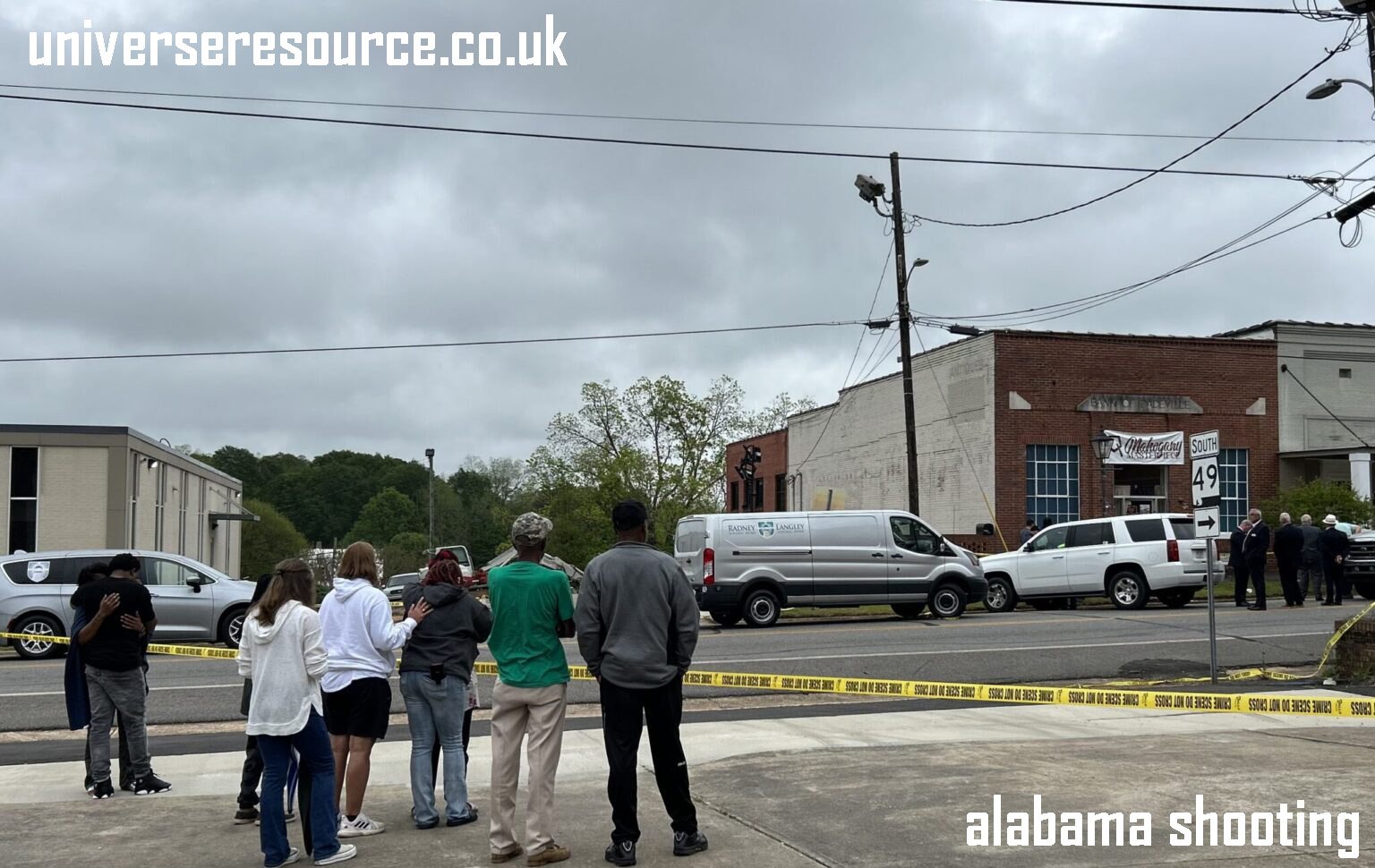
The phrase alabama shooting has appeared in national headlines many times over the past decades, reflecting a broader conversation taking place across the United States about public safety, community resilience, and violence prevention. Alabama, a state known for its deep cultural heritage, strong communities, and historic significance, has also faced difficult moments when acts of violence have shaken residents and prompted urgent public discussion.
This article explores the background, context, social impact, law enforcement response, and long-term implications connected to shooting incidents in Alabama. Rather than focusing on isolated events alone, it examines patterns, responses, and ongoing efforts aimed at building safer communities.
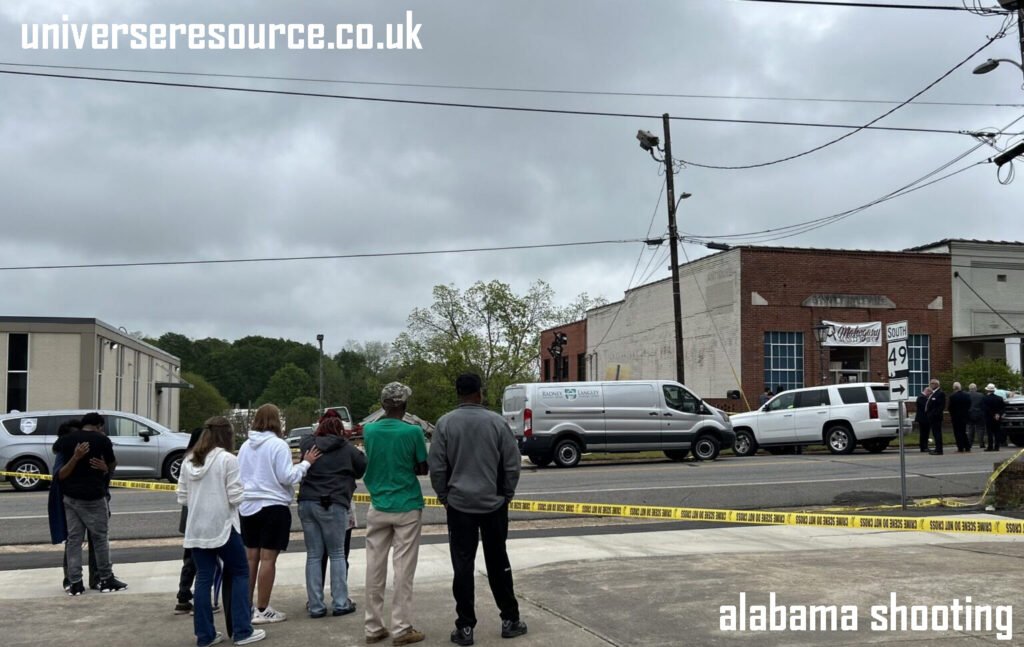
Alabama Shooting Incidents in Historical Context
Alabama Shooting: Understanding the Incidents, Impact, and Community ResponseAlabama’s history includes periods of social transformation, economic change, and urban development. Like many states, it has experienced isolated violent incidents across both urban and rural areas. These events vary widely in circumstances — from disputes between individuals to larger public safety incidents.
Major cities such as Birmingham, Montgomery, Mobile, and Huntsville have occasionally appeared in news reports connected to shootings, largely because population density increases the likelihood of crime being reported and documented.
Throughout the late 20th and early 21st centuries, discussions around violence in Alabama began shifting from isolated criminal investigations toward broader societal questions:
- What factors contribute to violent incidents?
- How can communities prevent escalation?
- What role do education, policing, and economic opportunity play?
These questions continue to guide public debate today.
Recent Alabama Shooting Coverage and Public Awareness
In recent years, the term alabama shooting has trended online following several high-profile incidents reported by national media outlets. Each event brought renewed attention to community safety and prompted coordinated responses from local authorities and federal agencies.
Law enforcement agencies such as the Alabama Law Enforcement Agency and the Federal Bureau of Investigation frequently assist local police departments during major investigations.
Public awareness has expanded significantly due to social media platforms and 24-hour news coverage. Information now spreads quickly, often before full details are confirmed. While rapid reporting increases transparency, officials often encourage patience while investigations unfold.
Community Impact After an Alabama Shooting
Whenever a shooting occurs, the impact extends far beyond the immediate location. Families, schools, businesses, and entire neighborhoods feel the emotional weight of uncertainty and grief.
Emotional and Psychological Effects
Residents commonly experience:
- Heightened anxiety about public spaces
- Concern for children’s safety
- Increased community vigilance
- Demand for stronger preventive measures
Organizations such as the American Psychological Association emphasize that communities benefit from counseling resources and open dialogue following traumatic events.
Faith leaders, school counselors, and local nonprofits frequently organize healing gatherings designed to promote unity rather than fear.
Law Enforcement Response to Alabama Shooting Cases
Police departments across Alabama have adapted their strategies over time. Modern responses typically include coordinated efforts between local and federal agencies.
Immediate Response Measures
When reports emerge, authorities focus on:
- Securing the area
- Protecting civilians
- Gathering witness statements
- Coordinating emergency medical support
Cities like Tuscaloosa and Dothan have invested in updated communication systems allowing faster coordination between first responders.
Investigation Procedures
Investigations often involve:
- Forensic analysis
- Surveillance review
- Community tips
- Digital evidence evaluation
The collaboration between local departments and federal investigators helps ensure thorough case handling.
Factors Often Discussed in Alabama Shooting Conversations
Experts studying violent incidents across the United States note that no single factor explains every situation. Instead, multiple elements may intersect.
1. Socioeconomic Challenges
Economic inequality and limited access to resources sometimes correlate with higher crime rates. Communities facing unemployment or limited educational opportunities may experience additional social pressures.
Organizations such as the United States Census Bureau regularly publish data used by policymakers to understand community needs.
2. Urban vs. Rural Differences
Alabama includes both densely populated cities and expansive rural regions. Patterns of violence differ between these environments:
- Urban areas may see incidents connected to interpersonal conflicts or criminal activity.
- Rural communities may face challenges related to emergency response distances or limited services.
3. Access to Firearms
Discussions about firearm access frequently arise after an Alabama shooting incident. Alabama’s gun laws reflect broader national debates balancing constitutional rights with public safety concerns.
Legal frameworks often reference interpretations connected to the Supreme Court of the United States, influencing how states design regulations.
The Role of Media in Alabama Shooting Reporting
Media coverage plays a powerful role in shaping public perception. National networks, local television stations, and online news platforms contribute to how incidents are understood.
Responsible reporting aims to:
- Avoid speculation
- Respect victims’ privacy
- Provide verified information
- Highlight community recovery efforts
Researchers from Pew Research Center note that audiences increasingly rely on digital sources rather than traditional broadcasts, accelerating how quickly stories spread.
Community Leaders and Grassroots Initiatives
In many Alabama communities, local leadership has emerged as a key force for positive change. Mayors, educators, and nonprofit organizations collaborate on programs intended to reduce violence and strengthen neighborhoods.
Youth Engagement Programs
Cities including Selma and Hoover have expanded youth initiatives such as:
- After-school mentoring
- Sports leagues
- Career development workshops
- Conflict resolution training
Community advocates argue that early engagement helps young people build strong support networks.
Faith-Based Outreach
Churches and faith organizations remain influential across Alabama. Many organize community discussions after incidents labeled as an alabama shooting, focusing on healing and unity.
Education and School Safety Measures
Educational institutions across Alabama continue to update safety procedures designed to protect students and staff.
School districts collaborate with the Alabama State Department of Education to implement:
- Emergency preparedness drills
- Secure campus entry systems
- Student counseling services
- Anonymous reporting tools
These efforts aim to balance safety with maintaining welcoming learning environments.
Public Health Perspective on Alabama Shooting Trends
Public health experts increasingly treat violence as a community health issue rather than solely a criminal matter.
The Centers for Disease Control and Prevention studies patterns of injury and violence nationwide. Their research suggests prevention strategies may include:
- Mental health support
- Conflict mediation programs
- Substance abuse treatment access
- Community investment initiatives
Viewing violence through a health lens encourages proactive solutions instead of reactive responses.
Legislative Discussions Following Alabama Shooting Events
After widely reported incidents, lawmakers often introduce or debate new policies. Discussions typically involve:
- Background check procedures
- Law enforcement funding
- Community policing initiatives
- Crisis intervention programs
Members of the Alabama Legislature frequently hold public hearings where citizens, advocacy groups, and experts share perspectives.
Political debates can be intense, reflecting diverse viewpoints among Alabama residents.
The Role of Technology in Prevention and Investigation
Technology now plays a major role in both preventing and solving crimes.
Surveillance and Data Tools
Many Alabama cities have expanded:
- Public camera networks
- Real-time crime centers
- Digital reporting platforms
These tools assist investigators while also raising discussions about privacy and civil liberties.
Emergency Communication Systems
Modern alert systems allow officials to send rapid safety notifications to residents during emergencies, improving response coordination.
Economic Impact on Local Communities
When an alabama shooting receives widespread attention, local businesses and tourism sectors sometimes experience temporary setbacks. Restaurants, retail shops, and entertainment venues may see reduced visitor traffic immediately after highly publicized incidents.
Economic recovery often depends on community resilience and public reassurance efforts led by city officials and business associations.
Cities like Gulf Shores and Orange Beach emphasize safety messaging to maintain visitor confidence.
Voices of Survivors and Community Members
While official investigations focus on facts and accountability, community voices often shape long-term healing.
Residents frequently call for:
- Increased unity
- Open conversations about conflict resolution
- Support for affected families
- Stronger neighborhood connections
Public forums and town hall meetings allow people to express concerns while working collaboratively toward solutions.
National Context: Alabama Within the United States
Alabama’s experiences reflect broader trends seen across the country. States nationwide continue searching for effective ways to reduce violence while preserving civil freedoms.
Comparative studies by organizations such as the National Institute of Justice analyze strategies used in different regions, helping policymakers identify best practices.
Lessons learned in one state often influence policies elsewhere.
Social Media Influence on Alabama Shooting Narratives
Social media platforms have transformed how people learn about breaking news. Information spreads rapidly, sometimes creating confusion alongside awareness.
Benefits include:
- Faster emergency alerts
- Community support coordination
- Crowdsourced information sharing
Challenges include:
- Misinformation risks
- Unverified rumors
- Emotional amplification during crises
Officials increasingly use verified accounts to provide accurate updates directly to the public.
Mental Health Awareness and Support Systems
Mental health resources have become central to discussions following an alabama shooting incident.
Local health departments collaborate with hospitals, counselors, and nonprofit organizations to provide:
- Crisis counseling
- School support services
- Community wellness programs
Increasing awareness reduces stigma and encourages individuals to seek help before conflicts escalate.
Preventive Strategies Moving Forward
Experts emphasize that prevention requires long-term commitment rather than short-term reactions.
Common strategies include:
Strengthening Community Relationships
Police departments adopting community policing models encourage regular interaction between officers and residents.
Expanding Educational Opportunities
Job training programs and scholarships aim to address underlying socioeconomic challenges.
Conflict Mediation Programs
Neighborhood mediation initiatives help resolve disputes peacefully before tensions escalate.
The Role of Families and Local Culture
Alabama’s strong sense of family and tradition often becomes a source of resilience during difficult times. Community gatherings, cultural events, and local traditions help restore a sense of normalcy after disruptive incidents.
Families play a key role by:
- Encouraging open communication
- Supporting youth development
- Promoting respectful conflict resolution
Looking Ahead: Building Safer Alabama Communities
While news headlines focusing on an alabama shooting can create concern, they also spark meaningful dialogue about safety, responsibility, and collective action.
Progress depends on cooperation among:
- Residents
- Educators
- Law enforcement
- Health professionals
- Policymakers
Many Alabama communities continue working toward environments where safety and opportunity coexist.
Conclusion
The topic of alabama shooting represents more than individual incidents. It reflects complex social challenges, evolving public conversations, and ongoing efforts to strengthen communities across the state.
Alabama’s response demonstrates resilience — communities coming together, institutions adapting, and citizens seeking constructive solutions. By focusing on prevention, communication, and shared responsibility, residents and leaders alike aim to reduce violence while preserving the values that define the state.
Understanding these events within a broader social and historical framework allows for informed discussions grounded in empathy, responsibility, and hope for safer futures.
