

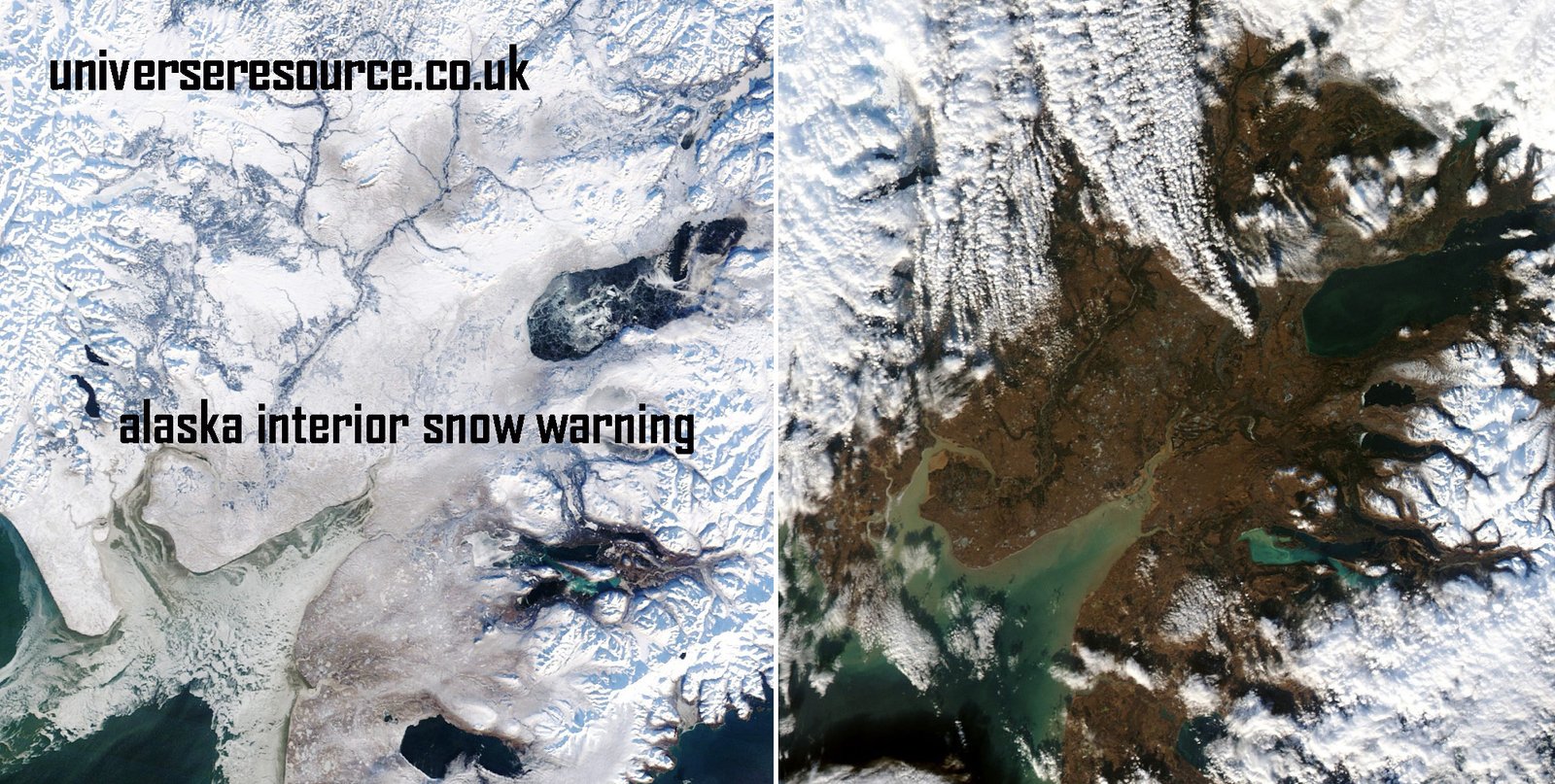
Winter in Alaska is not just a season—it is a defining feature of life, culture, and survival. Nowhere is this more evident than in Alaska’s Interior, a vast region known for extreme cold, dramatic temperature swings, and heavy snowfall. When meteorologists issue an Alaska interior snow warning, it signals potentially dangerous conditions that can affect transportation, infrastructure, and daily life.
This article explores what an Alaska interior snow warning means, why the Interior experiences such severe winter weather, how warnings are issued, and how residents and travelers can prepare. By understanding the science and context behind these warnings, readers can better appreciate both the challenges and resilience of life in this remarkable region.
The Alaska Interior: Geography and Climate Overview
The Alaska Interior Snow Warning refers to the central part of the state, stretching from the Brooks Range in the north to the Alaska Range in the south. It includes major communities such as Fairbanks and numerous smaller towns and villages.
Unlike coastal Alaska, which is moderated by ocean influences, the Interior has a continental climate. This means hot summers and extremely cold winters. Snowfall can be heavy, and temperatures often plunge well below zero for extended periods.
This unique climate makes winter weather warnings especially important for safety and planning.
What Is an Alaska Interior Snow Warning?
An Alaska interior snow warning is a formal alert issued by weather authorities to inform the public of significant snowfall expected in the Interior region. These warnings indicate that snow accumulation could be heavy enough to cause hazardous travel conditions, structural strain, or disruptions to daily activities.
Such warnings are typically issued when snowfall is expected to exceed certain thresholds within a defined time period. The exact criteria can vary depending on local conditions, but the goal is always the same: to provide advance notice so people can prepare.
Why Snowfall Is So Intense in the Alaska Interior
Snowfall in the Alaska Interior is influenced by several interacting factors:
- Cold air masses that allow snow to remain dry and powdery
- Storm systems moving inland from the Pacific
- Topography, including mountain ranges that enhance snowfall through uplift
Because temperatures are often extremely low, snow does not melt quickly. Instead, it accumulates over time, leading to deep snowpacks that persist throughout the winter.
These conditions make snow warnings particularly critical, as even moderate storms can have long-lasting impacts.
Alaska Interior Snow Warning and Meteorological Science
Issuing a snow warning requires careful analysis by meteorologists. They use a combination of satellite imagery, weather models, radar data, and historical patterns to forecast snowfall.
In the Alaska Interior, forecasting can be especially challenging due to the region’s size and limited observation stations. Small changes in temperature or storm track can significantly affect snowfall amounts.
Despite these challenges, weather services continuously refine their models to improve the accuracy of warnings and reduce uncertainty.
Differences Between Snow Advisories, Watches, and Warnings
Understanding the terminology used in weather alerts is essential. While this article focuses on snow warnings, they are part of a broader system of alerts:
- Advisories indicate less severe conditions that may still impact travel
- Watches signal that significant snow is possible but not yet certain
- Warnings confirm that heavy snow is imminent or already occurring
An Alaska interior snow warning represents the highest level of concern within this category, urging people to take immediate precautions.
Historical Perspective on Interior Alaska Snowstorms
The Alaska Interior has experienced numerous historic snow events. Some winters are remembered for prolonged cold, while others stand out for record-breaking snowfall.
These events have shaped local infrastructure, building standards, and emergency response practices. Communities have learned to adapt by designing structures to withstand snow loads and maintaining snow removal capabilities.
Looking at past storms helps scientists and planners anticipate future risks and improve warning systems.
Impacts of Heavy Snow on Transportation
Transportation is one of the most affected sectors during heavy snow events. Roads can become impassable, airports may experience delays or closures, and remote communities can be temporarily isolated.
In the Alaska Interior, long distances between towns amplify these challenges. An Alaska interior snow warning often prompts transportation agencies to prepare snowplows, issue travel advisories, or restrict movement on certain routes.
For residents, understanding these impacts helps with planning and safety.
Alaska Interior Snow Warning and Aviation Challenges
Aviation plays a crucial role in Alaska, especially in areas with limited road access. Heavy snow can significantly disrupt air travel, affecting both passenger flights and cargo deliveries.
Pilots must contend with reduced visibility, icy runways, and rapidly changing weather conditions. Snow warnings allow airports and airlines to implement safety measures, such as de-icing procedures and schedule adjustments.
In a region where aviation is a lifeline, timely warnings are essential.
Effects on Infrastructure and Utilities
Heavy snow places stress on buildings, power lines, and communication systems. Roofs must support significant snow loads, and ice accumulation can damage infrastructure.
In the Alaska Interior, building codes reflect these realities, but extreme snowfall can still cause problems. Snow warnings give utility providers time to prepare crews and equipment to respond to outages or damage.
This proactive approach reduces the duration and severity of disruptions.
Life in the Alaska Interior During Snow Warnings
For residents of the Alaska Interior, snow warnings are part of life. People adjust routines, stock supplies, and modify travel plans as needed.
Schools may delay openings, events may be postponed, and outdoor activities scaled back. These adjustments reflect a culture of preparedness built on experience with severe winter conditions.
Rather than causing panic, snow warnings often prompt calm, practical responses rooted in local knowledge.
Alaska Interior Snow Warning and Emergency Preparedness
Preparedness is a key theme in regions prone to extreme weather. When a snow warning is issued, emergency services review response plans and coordinate with local authorities.
Residents are encouraged to ensure they have adequate food, heating fuel, and emergency supplies. Vehicles are checked for winter readiness, and communication devices are tested.
These measures enhance resilience and reduce risk during severe snow events.
The Role of Technology in Snow Warnings
Modern technology has transformed how snow warnings are issued and received. Weather alerts can now be delivered via smartphones, radio broadcasts, and online platforms.
In the Alaska Interior, where connectivity can be limited, multiple communication channels are used to ensure warnings reach as many people as possible.
Advances in forecasting technology continue to improve lead times and accuracy, giving communities more time to prepare.
Climate Change and Snowfall Patterns in the Alaska Interior
Climate change adds complexity to winter weather patterns. While warming trends are evident, they do not necessarily mean less snow in all cases.
In some scenarios, warmer air holds more moisture, potentially leading to heavier snowfall when temperatures remain below freezing. Understanding how climate change affects snow warnings is an ongoing area of research.
This evolving context underscores the importance of adaptive planning and continued scientific study.
Alaska Interior Snow Warning and Wildlife
Snowfall also affects wildlife in the Interior. Deep snow can limit animal movement, alter migration patterns, and affect access to food.
Hunters, wildlife managers, and researchers pay close attention to snow conditions, as they influence ecosystem dynamics. Snow warnings help inform these stakeholders about changing environmental conditions.
The interconnectedness of weather and wildlife highlights the broader significance of snow events.
Cultural Knowledge and Traditional Weather Awareness
Indigenous communities in the Alaska Interior possess generations of knowledge about weather patterns and survival in extreme conditions. Traditional observations of wind, clouds, and animal behavior often complement modern forecasting.
While snow warnings rely on scientific tools, they exist alongside this deep cultural understanding. Together, these perspectives enhance community resilience.
Respecting and integrating traditional knowledge remains an important aspect of weather awareness in Alaska.
Traveling During an Alaska Interior Snow Warning
For travelers unfamiliar with Interior Alaska, snow warnings require special attention. Conditions can change rapidly, and distances between services are vast.
Preparation includes proper clothing, emergency supplies, and awareness of local conditions. Travelers are advised to heed official warnings and avoid unnecessary travel during severe snow events.
Understanding the seriousness of these warnings can prevent accidents and emergencies.
Economic Impacts of Heavy Snowfall
Snowfall affects the local economy in both positive and negative ways. While winter tourism can benefit from snow, severe storms may disrupt commerce, supply chains, and employment.
Snow warnings help businesses plan operations, manage staffing, and protect assets. This foresight minimizes losses and supports economic stability during harsh winter months.
In a region where weather shapes daily life, economic planning is closely tied to meteorological awareness.
Alaska Interior Snow Warning and Community Resilience
Resilience is a defining characteristic of Interior Alaska communities. Over time, residents have developed systems and attitudes that allow them to cope with extreme winter weather.
Snow warnings are part of this resilience framework. They are not just alerts but tools that support collective preparedness and cooperation.
Community resilience ensures that even in challenging conditions, life continues with adaptability and strength.
Future Improvements in Snow Warning Systems
As technology advances, snow warning systems will continue to evolve. Improved data collection, enhanced modeling, and better communication methods promise greater accuracy and reach.
For the Alaska Interior, these improvements are especially valuable given the region’s vulnerability to extreme weather. Ongoing investment in forecasting and infrastructure supports long-term safety and sustainability.
The future of Alaska Interior Snow Warnings lies in combining science, technology, and community engagement.
Conclusion
An Alaska interior snow warning is more than a weather alert—it is a critical component of life in one of the most demanding climates on Earth. These warnings reflect the unique geography, meteorology, and culture of the region, providing essential information that helps protect lives and livelihoods.
By understanding what snow warnings mean, how they are issued, and how they affect daily life, residents and visitors alike can navigate Alaska Interior Snow Warning with greater confidence. In the Interior, snow is both a challenge and a defining feature, and preparedness is the key to coexisting with it safely.
